
What Are Authentic Mexican Huaraches? History, Origins & Pre-Columbian Purépecha Roots
Many footwear enthusiasts ask: what are huarache sandals, and why have these woven leather shoes endured for centuries across Mesoamerica? To the uninitiated, a pair of huaraches may look like simple woven leather sandals. To the historian, the artisan, and the wearer, however, they are a living testament to indigenous resilience and pre-Columbian engineering. More than just footwear, the authentic Mexican huarache is a sophisticated marriage of anatomy and artistry, designed to survive the rugged terrains of the Sierra Madre while providing a level of breathability that modern synthetic footwear simply cannot replicate. Understanding what Mexican huaraches truly are requires peeling back layers of history, from the ancient forests of Michoacán to the bustling markets of Oaxaca. When selecting your ideal pair, styles like the Macarena Leather Sandals: Summer Essential Review exemplify how traditional vaqueta weaving distributes pressure evenly across the instep.
Quick Verdict: Authentic handmade Mexican huaraches crafted from vegetable-tanned vaqueta leather offer unparalleled breathability and durability that synthetic alternatives cannot match. Because they are constructed on traditional wooden lasts, these sandals naturally mold to the unique contours of the wearer's foot over time. This custom-fit evolution, combined with a sturdy leather or recycled tire sole, ensures a lifetime of comfort and cultural authenticity.
The Living Legacy of Traditional Mexican Sandals: From Pre-Columbian Origins to Modern Streets
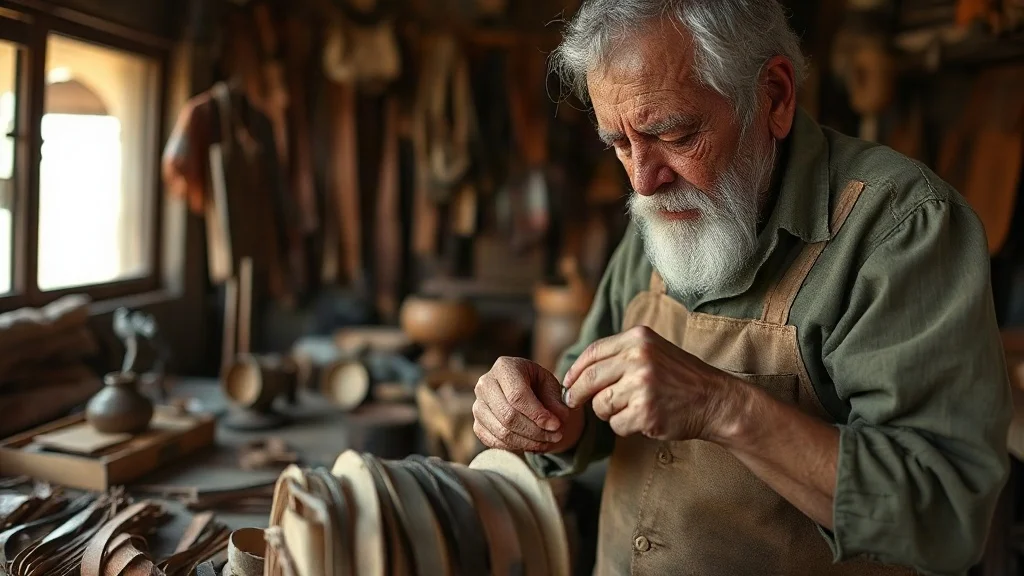
At its core, the term "huarache" refers to a traditional Mexican sandal characterized by a woven upper made of leather strips and a durable sole. However, the distinction between a mass-produced tourist sandal and an authentic artisan huarache lies in the materials and the method of construction. An authentic huarache is not "glued" together in a factory; it is stitched, braided, and lasted by hand using techniques passed down through generations of zapateros (shoemakers).
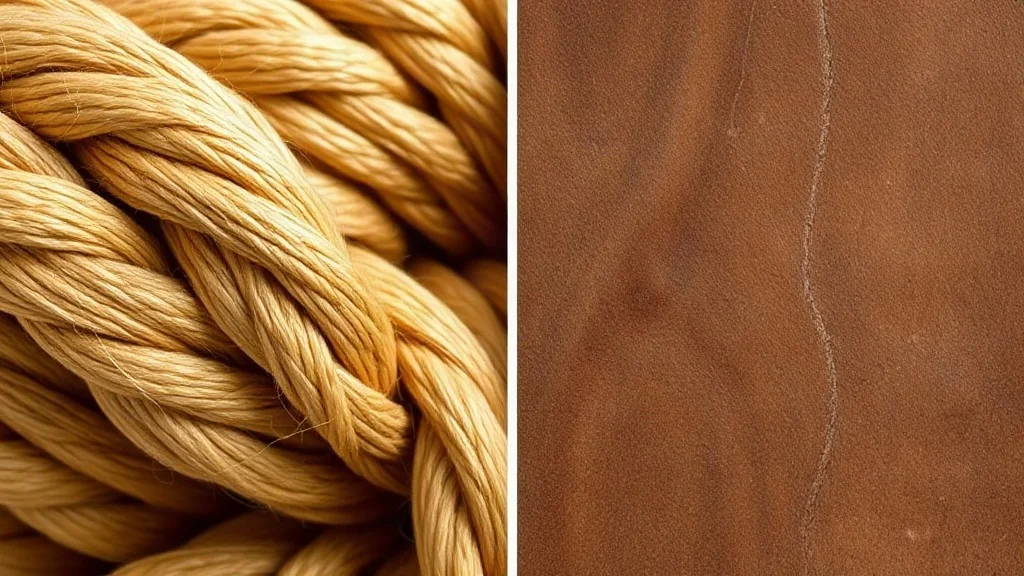
The defining characteristic of the authentic huarache is the use of vaqueta leather. Vaqueta is a high-quality, full-grain leather that has been vegetable-tanned. Unlike chrome-tanned leathers used in fast fashion, vegetable tanning uses natural tannins found in tree bark and plants. This process results in a leather that is stiff initially but possesses a "memory," allowing it to stretch and contour precisely to the shape of the wearer's foot.
The Deep Roots: Pre-Columbian Origins and the Purépecha Legacy
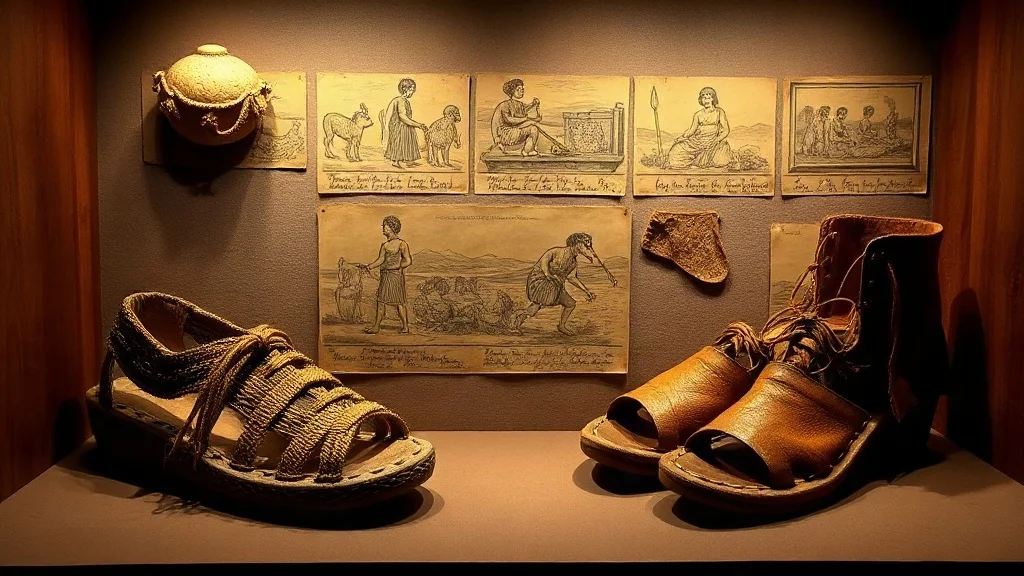
To understand the history of huarache sandals, one must look beyond the Spanish Conquest to the indigenous civilizations of Mesoamerica. Long before the introduction of European cattle and tanning methods, the ancestors of today's artisans were crafting footwear from agave fibers (ixtle) and raw animal hides.
What Are Huarache Sandals Made Of? Exploring Vaqueta Leather and Recycled Tire Soles
The true ancestral heart of the huarache lies with the Purépecha people of Michoacán. In the Purépecha language, the word kwarachi referred to the traditional footwear used by the indigenous population. These early versions were designed for the high-altitude, forested terrain of the lake region. They utilized a simple wrap-around design that secured the foot firmly to a sole made of thick hide or woven plant fibers. For long summer walks, handcrafted options such as the Genuine Leather Huarache Pachuco Sandals Review provide the perfect balance of arch flexibility and natural airflow.
The Purépecha were master weavers, and this skill translated directly into their footwear. The intricate interlacing of straps was not merely aesthetic; it provided structural integrity, ensuring the sandal would not slip or tear during strenuous activity. When the Spanish arrived in the 16th century, they introduced cattle and the art of leather tanning, which the Purépecha and other indigenous groups seamlessly integrated into their existing designs, evolving the kwarachi into the leather huarache we recognize today.

Artisans Bazaar Huaraches: Summer Style & Comfort Review
Artisan Rating: ★★★★★ (4.0/5.0) | Material: 100% Genuine Vaqueta Leather
Handcrafted by master Mexican artisans using traditional vegetable-tanned leather weaving and durable soles for superior breathability and custom-molded comfort.
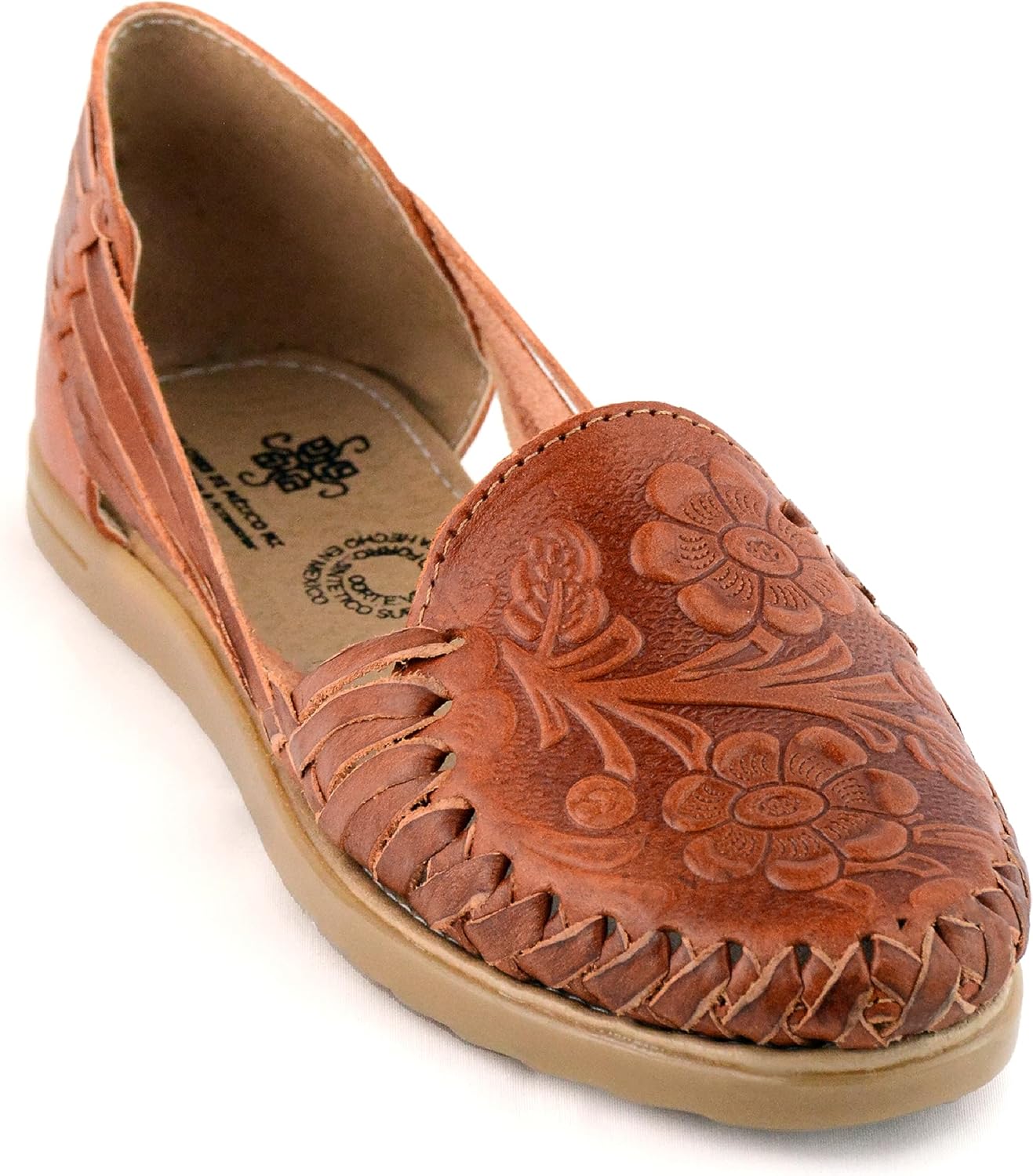
Mexican Leather Shoes Model 369: Summer Style & Comfort
Artisan Rating: ★★★★★ (4.2/5.0) | Material: 100% Genuine Vaqueta Leather
Handcrafted by master Mexican artisans using traditional vegetable-tanned leather weaving and durable soles for superior breathability and custom-molded comfort.
Regional Mastery: From Sahuayo to Oaxaca
While huaraches are found throughout Mexico, different regions have developed distinct styles and specialties that reflect their local geography and cultural identity. In particular, artisan models like the Mexican Leather Boho Shoes: Model 326 Summer Essential highlight the durability of hand-cut leather straps anchored to resilient outsoles.
Sahuayo, Michoacán: The World Capital of Huaraches
Sahuayo is widely regarded as the epicenter of huarache production. The artisans here are renowned for their precision and their adherence to traditional methods. In Sahuayo, the process begins with the horma—a wooden last carved to represent the average foot shape. The leather is stretched over these lasts to ensure a consistent fit, and the weaving is performed with a level of density that ensures the shoe maintains its shape for decades.
Tlaquepaque and Jalisco
In Jalisco, particularly around Tlaquepaque, the huarache often takes on a more ornamental quality. Here, you will find a greater emphasis on decorative stitching and a variety of leather dyes, blending the rugged utility of the sandal with the artistic flair of the region's famous pottery and ceramics.
Oaxacan Weaving Styles
Oaxaca offers a different approach, often incorporating wider straps and more open-weave patterns. Oaxacan huaraches are frequently designed for the humid, coastal heat, prioritizing maximum airflow. The leather used in Oaxaca is often treated with local oils to protect against the moisture of the tropical climate.
The Anatomy of an Authentic Huarache
A master-crafted huarache is composed of several critical components, each serving a specific functional purpose.
- The Vaqueta Upper: Full-grain, vegetable-tanned leather that provides the structural "skeleton" of the shoe.
- The Wooden Last (Horma): The carved mold that defines the size and shape, ensuring the shoe supports the arch of the foot.
- The Sole (Suela): Traditionally made of thick leather, though many authentic artisans now use suela de llanta (recycled tire tread) for extreme durability and grip on wet surfaces.
- The Stitching: Heavy-duty waxed thread used to anchor the woven upper to the sole, preventing the "delamination" common in glued shoes.
Understanding the Weave Patterns
The weave is where the artisan's signature is most evident. Different patterns offer different levels of support and breathability: If you prioritize effortless daily comfort, exploring verified designs like the Mexican Leather Sandals: Model 057 - Summer Essential offers insight into how genuine leather relaxes and conforms over time.
| Weave Style | Characteristics | Best For |
|---|---|---|
| Petatillo | Tight, checkerboard-like weave resembling a traditional straw mat (petate). | Maximum durability and foot security. |
| Pachuco | A classic, slightly more open weave with a focus on a streamlined silhouette. | Urban wear and casual style. |
| Trenzado | Traditional braided straps that wrap around the foot. | Classic aesthetic and flexible fit. |
| Araña (Spider) | Intricate, radiating patterns that resemble a web. | High artistic value and maximum airflow. |
| Cruzado | Cross-hatched straps that provide a secure, locked-in feel. | Walking long distances or rugged terrain. |

Mexican Leather Platform Boho Shoes: Style & Comfort
Artisan Rating: ★★★★★ (4.6/5.0) | Material: 100% Genuine Vaqueta Leather
Handcrafted by master Mexican artisans using traditional vegetable-tanned leather weaving and durable soles for superior breathability and custom-molded comfort.

Cowboy Professional Huaraches: Authentic Mexican Sandals
Artisan Rating: ★★★★★ (4.9/5.0) | Material: 100% Genuine Vaqueta Leather
Handcrafted by master Mexican artisans using traditional vegetable-tanned leather weaving and durable soles for superior breathability and custom-molded comfort.
The Science of the Break-In: Why Vaqueta Matters
One of the most common questions regarding authentic huaraches is why they feel "stiff" or "tight" upon first wear. This is not a defect; it is a hallmark of quality vegetable-tanned leather.
The Stretch Factor
Unlike synthetic materials that are static, vaqueta leather is organic. As you wear your huaraches, the heat and moisture from your feet, combined with the pressure of your stride, cause the leather fibers to relax and expand. On average, a high-quality huarache will stretch 0.5 to 1 full US size. Traditional artisans recommend pairs such as the Macarena Leather Sandals: Comfort, Style & Craftsmanship for wearers seeking heritage craftsmanship and authentic Mexican leather texture.
The "Damp Sock" Method
For those who find the initial break-in period too intense, master artisans often recommend the "damp sock" technique. By wearing a pair of slightly damp cotton socks with the sandals for a few hours, the moisture penetrates the leather, accelerating the softening process and allowing the shoe to mold to the foot's unique anatomy more rapidly.
Sizing and Measurements
Because huaraches are handmade, sizing can vary. The most accurate way to size a huarache is by centimeters (cm). Since they are designed to stretch, the initial fit should be "snug but not painful." If the sandal is loose upon arrival, it will eventually become too large to provide support once the leather relaxes.
Huaraches vs. Modern Sandals: A Comparison of Longevity
Modern footwear is designed for planned obsolescence. Most sandals use EVA foam and synthetic glues that degrade within one or two seasons. In contrast, the traditional Mexican huarache is built for a lifetime of repairability.
Because the upper is stitched to the sole, a cobbler can easily replace a worn-down sole without destroying the upper. Furthermore, the absence of synthetic liners means the foot can breathe naturally, reducing fungal growth and odors. The leather naturally absorbs oils from the skin, creating a patina that makes the shoe more beautiful and comfortable with age. Readers looking for versatile warm-weather footwear frequently choose the Leather Platform Huaraches: Summer Essential for Women for its breathable weave and timeless aesthetic.
Frequently Asked Questions About Authentic Huaraches
Q: What are huarache sandals called in different regions of Mexico?
A: Yes. Authentic what are huarache sandals made from 100% vegetable-tanned vaqueta leather provide superior breathability, natural foot molding, and durable all-day comfort for walking, warm weather, and cultural celebrations.
How do I know if my huaraches are authentic?
Authentic huaraches are made from genuine vegetable-tanned leather (vaqueta) and are stitched, not glued, to the sole. Look for the characteristic stiffness of the leather and the presence of hand-woven patterns. If the sandals feel like plastic or have a chemical smell, they are likely synthetic mass-produced imitations.
Should I buy huaraches a size smaller than my usual shoe?
Generally, yes. Because authentic vaqueta leather stretches significantly (up to a full size), many experienced wearers size down. The ideal first fit is snug; if they feel comfortable and roomy out of the box, they will likely be too loose after two weeks of wear.
How do I clean and maintain my leather huaraches?
Avoid submerging them in water. To clean, use a damp cloth and a mild leather soap. To maintain the leather's suppleness, apply a small amount of natural leather conditioner or mink oil. This prevents the leather from cracking and enhances the natural patina over time.
Are huaraches suitable for all foot types?
Yes, and that is their primary advantage. Because they are made of natural leather that molds to the wearer, they are excellent for people with wide feet, bunions, or high arches who struggle with the rigid structures of factory-made shoes.
Experience True Mexican Artisan Footwear
Step into hundreds of years of cultural heritage, breathable comfort, and custom-molded leather luxury with authentic handmade huarache sandals.