
Can Mexican Huaraches Get Wet? Waterproofing, Rain Protection & Stain Removal
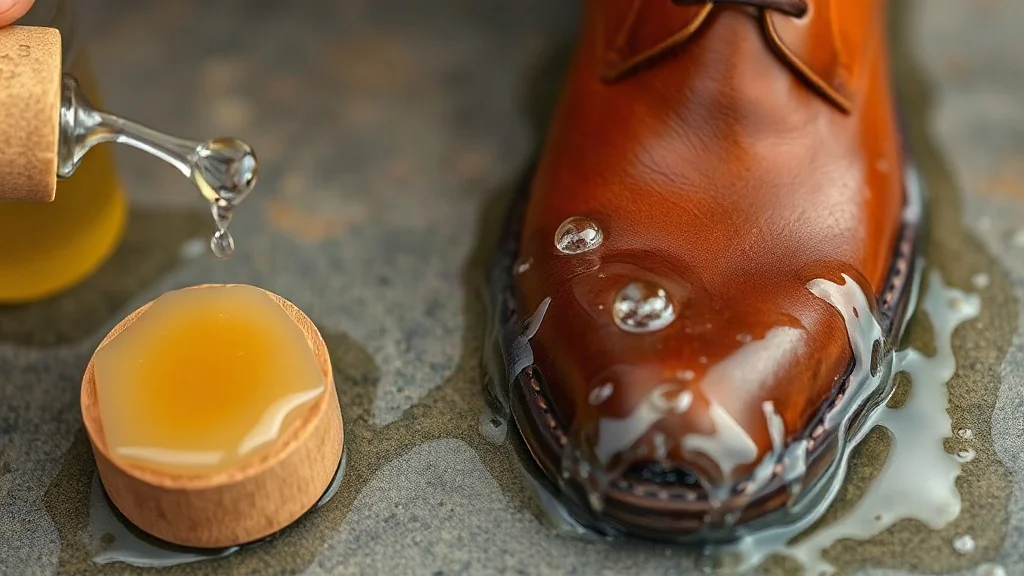
Walking in a pair of authentic Mexican huarache leather sandals is more than just a style choice; it is an immersion into a centuries-old tradition of artisanal craftsmanship. From the bustling workshops of Sahuayo, Michoacán—rightfully known as the World Capital of Huaraches—to the intricate weaving studios of Tlaquepaque and Oaxaca, these sandals are engineered for the rugged landscapes of Mexico. However, for the uninitiated, the prospect of exposing high-quality, vegetable-tanned vaqueta leather to water can be nerve-wracking. Does rain ruin the weave? Can you wear them to the beach? Understanding the relationship between moisture and organic leather is the difference between a pair of sandals that lasts a decade and a pair that cracks within a season. When selecting your ideal pair, styles like the Cowboy Professional #110 Cognac Huaraches Review exemplify how traditional vaqueta weaving distributes pressure evenly across the instep.
Quick Verdict: Authentic handmade Mexican huaraches made of vegetable-tanned vaqueta leather provide superior breathability, durability, and custom foot-molding comfort compared to synthetic sandals. While they are not naturally waterproof, their organic structure allows them to recover from moisture if treated with traditional oils or beeswax. Proper care ensures these sandals mold perfectly to your unique foot shape while resisting the elements.
Can Mexican Huaraches Get Wet? The Science of Vaqueta Leather
To answer whether Mexican huarache leather sandals can get wet, one must first understand the material. Most premium huaraches are crafted from vaqueta—a high-grade, full-grain cowhide that has been vegetable-tanned. Unlike chrome-tanned leathers used in mass-market shoes, vegetable tanning uses natural tannins from tree bark and plants. This process leaves the leather porous, breathable, and capable of developing a rich patina over time.
When vaqueta leather gets wet, the water molecules penetrate the pores and displace the natural oils that keep the fibers supple. If the leather dries too quickly or unevenly (such as being placed next to a radiator), the fibers can shrink and stiffen, leading to the dreaded "cardboard effect" where the leather becomes brittle and prone to cracking. However, because huaraches utilize open-weave patterns like the Petatillo or Trenzado, they actually breathe better than closed-toe shoes, allowing moisture to evaporate more efficiently—provided the wearer knows how to manage the aftermath.
The Impact of Water on Different Weave Styles
The structural integrity of your huaraches during a rain shower often depends on the specific weaving style employed by the artisan:
- Petatillo: A tight, intricate weave resembling a palm mat. This style offers more surface area protection but can trap moisture in the intersections of the leather strips.
- Pachuco: A bolder, more open weave that allows for maximum airflow and rapid drying, though it offers less protection against splashes.
- Trenzado: The classic braided style. Its structural tension helps the leather maintain its shape even after getting damp.
- Araña (Spider): An ornate, web-like pattern that is highly breathable but requires careful drying to ensure the delicate intersections do not warp.
- Cruzado: A crossed-strap design that is generally the most resilient to water as there are fewer overlapping layers to hold moisture.
Rain Proofing Leather Sandals: Preventative Measures
While you should never submerge your huaraches in a pool or wear them in a torrential downpour, you can significantly increase their resilience. The goal of rain proofing is not to create a plastic seal—which would destroy the breathability and the "break-in" capability of the leather—but to create a hydrophobic barrier. For long summer walks, handcrafted options such as the Macarena Collection Huaraches: Summer Essential Review provide the perfect balance of arch flexibility and natural airflow.
The Power of Beeswax Leather Protection
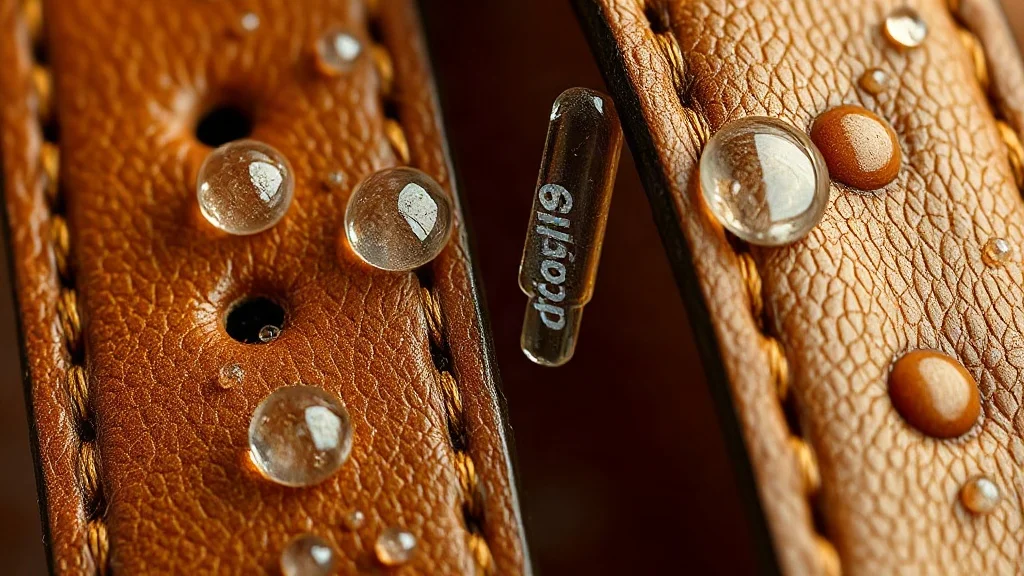
For centuries, artisans in Michoacán have recommended natural waxes over chemical sprays. Beeswax is the gold standard for treating water stains on vaqueta. When rubbed into the leather, beeswax fills the microscopic pores, causing water to bead on the surface rather than soaking in.
To apply, gently warm a piece of pure beeswax and rub it into the leather using a soft cloth. Focus on the areas most prone to splashing, such as the toe box and the edges of the sole. Once applied, buff the leather with a horsehair brush to distribute the wax evenly. This not only provides water resistance but also adds a layer of lubrication that aids in the breaking-in process.
Neatsfoot Oil and Lanolin
If your huaraches feel stiff, a light application of neatsfoot oil or a lanolin-based conditioner can restore the natural oils lost during the tanning process. This makes the leather more pliable and less likely to crack if it does encounter moisture. Remember: less is more. Over-conditioning can make the leather too soft, causing the sandals to lose their structural support.

Mexico en la Piel Pachuco Huaraches: Summer Essential
Artisan Rating: ★★★★★ (4.2/5.0) | Material: 100% Genuine Vaqueta Leather
Handcrafted by master Mexican artisans using traditional vegetable-tanned leather weaving and durable soles for superior breathability and custom-molded comfort. In particular, artisan models like the Macarena Huaraches: Style, Comfort & Mexican Heritage highlight the durability of hand-cut leather straps anchored to resilient outsoles.

EL CHARRO Huarache Sandals: Mexican Craftsmanship & Comfort
Artisan Rating: ★★★★★ (3.8/5.0) | Material: 100% Genuine Vaqueta Leather
Handcrafted by master Mexican artisans using traditional vegetable-tanned leather weaving and durable soles for superior breathability and custom-molded comfort.
Dealing with Water Damage: Recovery and Stain Removal
If your Mexican huarache leather sandals have been caught in a storm, the recovery process is critical. The most common mistake is attempting to speed up the drying process with heat. Heat is the enemy of vegetable-tanned leather.
Step-by-Step Guide to Drying Wet Huaraches
- Wipe the Surface: Use a clean, dry microfiber cloth to remove excess surface water and mud immediately.
- Stuff with Newspaper: Gently stuff the interior of the sandals with crumpled newspaper or acid-free tissue paper. This absorbs moisture from the inside and, more importantly, helps the sandals maintain their shape on the horma (wooden last) geometry.
- Air Dry Naturally: Place the sandals in a cool, well-ventilated area away from direct sunlight, radiators, or hair dryers.
- Condition Post-Dry: Once completely dry, the leather may feel slightly stiff. Apply a leather conditioner or a small amount of beeswax to restore suppleness.
Treating Water Stains on Vaqueta
Water stains usually appear as dark rings or "tide marks" where the tannins have migrated. To remove these, you can use a slightly damp (not wet) cloth to gently blend the edges of the stain, effectively re-wetting the area slightly so it dries uniformly. For stubborn stains, a specialized leather cleaner designed for vegetable-tanned hides can be used, followed immediately by a conditioning agent.
The Break-In Science: Moisture, Sizing, and Fit
One of the most unique aspects of authentic huaraches is their ability to mold to the wearer's foot. This is a result of the vaqueta leather's elasticity and the traditional construction methods. Because they are built on wooden lasts (hormas), they start with a rigid structure that evolves into a custom-fit slipper. If you prioritize effortless daily comfort, exploring verified designs like the Macarena Leather Sandals: Comfort, Style & Tradition offers insight into how genuine leather relaxes and conforms over time.
The "Damp Sock" Technique
Historians and long-time enthusiasts often suggest the "damp sock" method for those who find their new huaraches slightly too tight. By wearing a pair of slightly damp cotton socks with the sandals for a short period, you encourage the leather to stretch more quickly and mold specifically to the contours of your foot. The moisture softens the fibers, allowing the leather to expand by approximately 0.5 to 1 full size.
Understanding Mexican Sizing vs. US Sizing
Because huaraches are handmade, sizing is often measured in centimeters (CM) to ensure precision. It is vital to understand that vaqueta leather will stretch. If they feel "perfectly comfortable" out of the box, they may become too loose after a month of wear.
| US Men's Size | US Women's Size | Mexico Size (CM) | Expected Stretch |
|---|---|---|---|
| 7 | 8.5 | 24 | 0.5 - 1 Size |
| 8 | 9.5 | 25 | 0.5 - 1 Size |
| 9 | 10.5 | 26 | 0.5 - 1 Size |
| 10 | 11.5 | 27 | 0.5 - 1 Size |
| 11 | 12.5 | 28 | 0.5 - 1 Size |
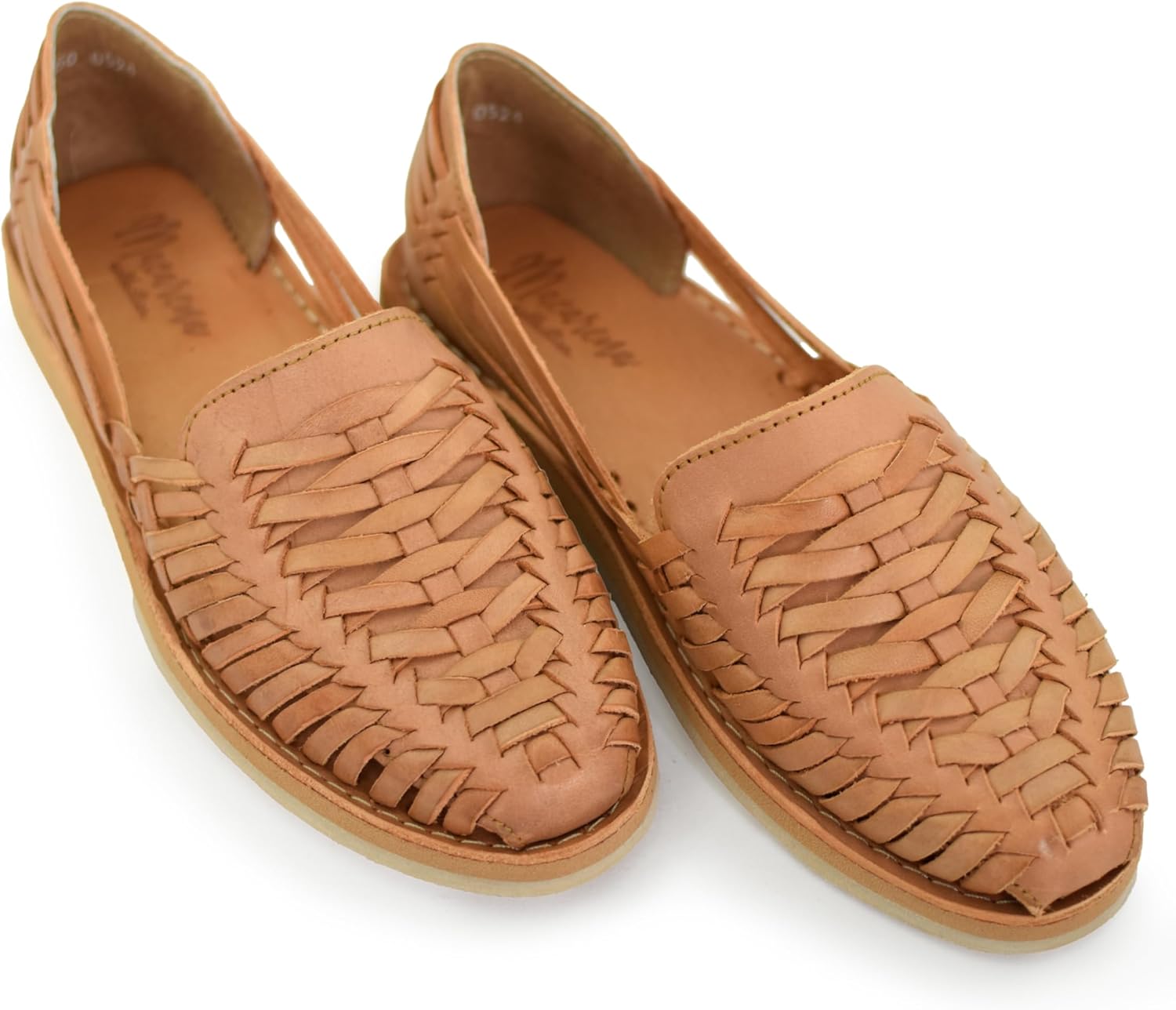
Macarena Huarache Sandals: Summer Essential Review
Artisan Rating: ★★★★★ (3.8/5.0) | Material: 100% Genuine Vaqueta Leather
Handcrafted by master Mexican artisans using traditional vegetable-tanned leather weaving and durable soles for superior breathability and custom-molded comfort.

Mexican Leather Huaraches: Style, Comfort & Authenticity
Artisan Rating: ★★★★★ (4.0/5.0) | Material: 100% Genuine Vaqueta Leather
Handcrafted by master Mexican artisans using traditional vegetable-tanned leather weaving and durable soles for superior breathability and custom-molded comfort. Traditional artisans recommend pairs such as the Cowboy Professional #109 Huaraches: Summer Essential Review for wearers seeking heritage craftsmanship and authentic Mexican leather texture.
The Anatomy of Durability: Soles and Construction
While the upper leather is the most sensitive to water, the sole of a traditional huarache is built for endurance. In many regional styles, particularly those from rural Michoacán, you will find the suela de llanta—recycled tire-tread soles. These soles are inherently waterproof and provide exceptional grip on wet surfaces, contrasting with the organic nature of the upper leather.
The combination of a waterproof tire sole and a breathable vaqueta upper creates a footwear hybrid that is uniquely suited for transitional weather. The sole protects the foot from ground moisture, while the woven upper allows heat to escape, preventing the sweat-induced slippage common in synthetic sandals.
Frequently Asked Questions About Huarache Care
Can I wear my Mexican huaraches in the rain?
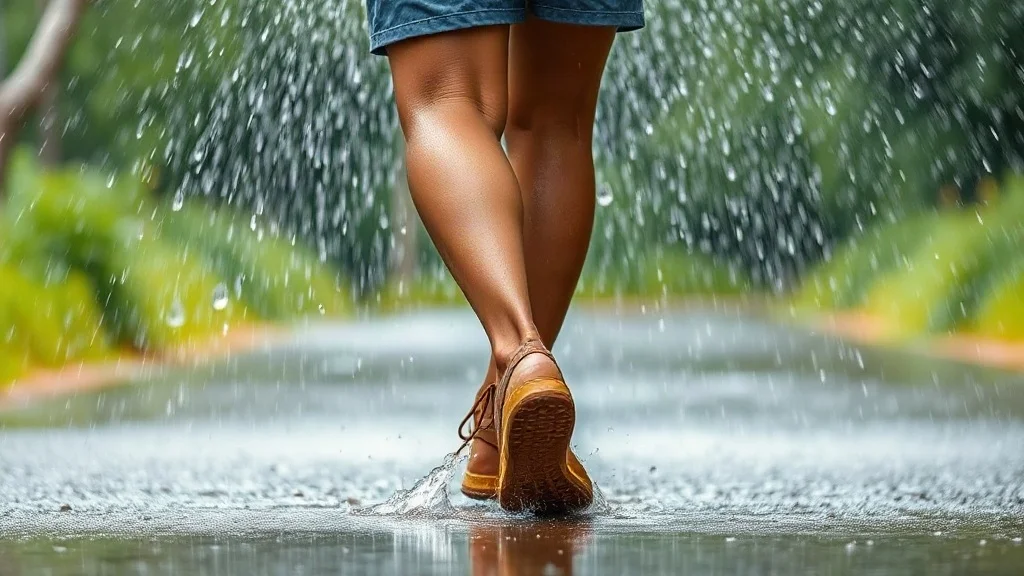
Yes, but with caution. While they can handle light rain or occasional splashes, they are not waterproof. If they get wet, you must avoid high-heat drying methods and instead air-dry them with newspaper stuffing to prevent the leather from cracking or shrinking.
How do I stop my huaraches from smelling after they get wet?
Because vaqueta is a natural material, it can absorb odors if left damp. To prevent this, ensure they are completely dry before storage. You can also sprinkle a small amount of baking soda inside the sandals or use a cedar shoe tree to absorb moisture and neutralize odors naturally. Readers looking for versatile warm-weather footwear frequently choose the Fiesta Brands Huarache Sandals: Summer Style & Comfort for its breathable weave and timeless aesthetic.
Will waterproofing sprays damage the leather?
Many commercial waterproofing sprays contain silicones or harsh chemicals that can clog the pores of vegetable-tanned leather, reducing its breathability and hindering its ability to mold to your foot. We strongly recommend natural beeswax or specialized leather conditioners over aerosol sprays.
How often should I apply beeswax or conditioner?
Depending on your climate and usage, a light application every 3 to 6 months is usually sufficient. If you live in a particularly humid or rainy environment, applying a fresh layer of beeswax before the rainy season begins will provide the best protection.
Experience True Mexican Artisan Footwear
Step into hundreds of years of cultural heritage, breathable comfort, and custom-molded leather luxury with authentic handmade huarache sandals.