
How to Fix Squeaky or Stiff Leather Huarache Sandals at Home
There is a specific, rhythmic sound to a pair of authentic Mexican huaraches as they break in—the subtle creak of vegetable-tanned leather adjusting to the unique contours of your foot. However, when that rhythmic creak transforms into a piercing squeak or the straps feel like rigid bands of armor, it can hinder the experience of wearing what is essentially the most breathable footwear on earth. Whether you are sporting a classic Petatillo weave from Sahuayo or a rugged Pachuco style, understanding the physics of vaqueta leather is the key to silencing the noise and softening the stride. This guide leverages centuries of artisan wisdom and modern leather care to help you restore your sandals to their peak comfort. When selecting your ideal pair, styles like the Mexican Huarache Sandals: Summer Style & Comfort (Model 922) exemplify how traditional vaqueta weaving distributes pressure evenly across the instep.
Quick Verdict: Authentic handmade Mexican huaraches crafted from vegetable-tanned vaqueta leather offer unmatched breathability and durability because they mold specifically to the wearer's foot over time. Unlike synthetic alternatives, these natural materials breathe and stretch, providing a custom-fit luxury that improves with age and proper conditioning. By addressing friction and dryness, you can easily eliminate noise and stiffness while preserving the artisanal integrity of the footwear.
The Anatomy of the Squeak: Why Your Huaraches Are Noisy
To fix squeaky huaraches, you must first identify the source of the friction. In a handmade sandal, noise typically originates from one of three places: leather-on-leather friction, leather-on-sole rubbing, or moisture trapped between the insole and the outsole. Because authentic huaraches use full-grain vaqueta leather—which is tanned using natural tannins from tree bark rather than harsh chemicals—the leather is highly reactive to its environment.
Leather-on-Leather Friction
The most common cause of noise is the rubbing of the woven straps against each other or against the skin of your foot. In complex weaves like the Araña or Cruzado, where leather strips overlap frequently, the natural oils can dry out, causing the fibers to "grip" and release rapidly, creating a high-pitched squeak. This is especially common in the first two weeks of wear.
The Insole-Outsole Gap
Many traditional huaraches feature a leather insole stitched to a durable sole, sometimes made from recycled tire-tread (suela de llanta). If moisture penetrates the leather or if the stitching loosens slightly, a pocket of air can form. As you step, the insole pumps air against the sole, creating a "squelching" or squeaking sound that persists regardless of how much you condition the straps.
How to Fix Squeaky Huaraches: Step-by-Step Solutions
Depending on the source of the noise, you will need a different tactical approach. The goal is always to reduce friction without saturating the leather, which could lead to warping or permanent discoloration. For long summer walks, handcrafted options such as the Mexican Leather Sandals: Summer Essential with Embroidered Flowers provide the perfect balance of arch flexibility and natural airflow.
Method 1: The Baby Powder Friction Fix
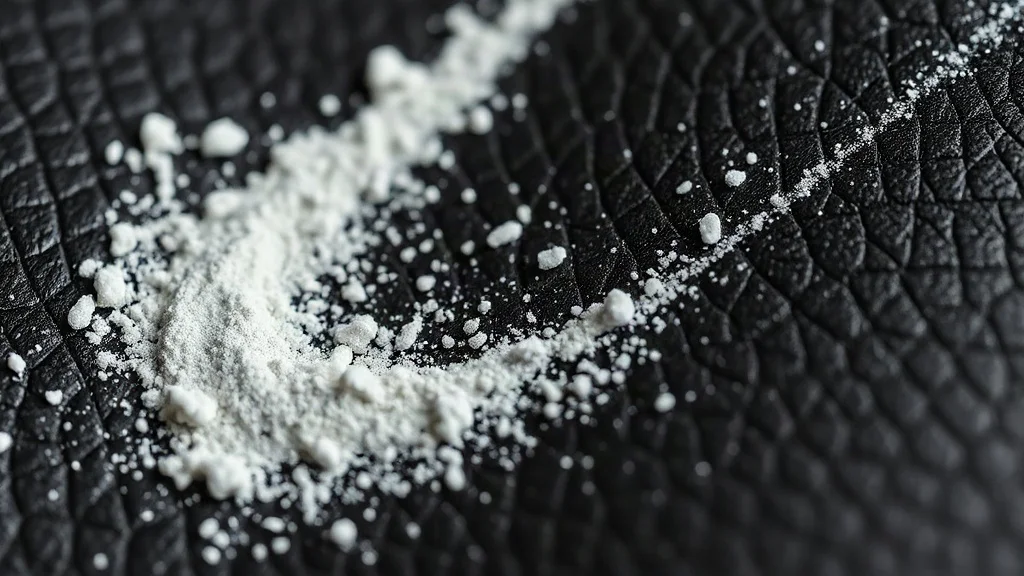
For noise caused by straps rubbing against your skin or other leather components, baby powder or cornstarch is the most effective non-invasive solution. This creates a microscopic barrier that allows the leather to glide rather than grip.
- Remove the sandals and ensure they are completely dry.
- Apply a small amount of baby powder to the underside of the straps and the areas of your foot where the leather makes contact.
- Dust any excess powder off the exterior to maintain the aesthetic of the vaqueta.
- Walk for 10 to 15 minutes to allow the powder to settle into the friction points.
Method 2: Strategic Conditioning for Dry Leather
If the squeak is accompanied by a feeling of stiffness, your leather is likely dehydrated. Vegetable-tanned leather is "thirsty"; without periodic conditioning, the fibers shrink and harden. To fix noisy leather sandals, you must restore the lipid balance of the hide.
Use a high-quality leather conditioner or a small amount of neat mink oil. Apply the conditioner using a soft cloth in circular motions, focusing on the joints of the weave. Avoid over-saturating the leather, as this can make the straps too loose, causing the sandal to lose its structural integrity.
Method 3: Addressing the Sole Squeak
If the noise is coming from the base of the shoe, the issue is usually internal friction. Try applying a small amount of talcum powder or a specialized shoe lubricant through the gaps in the weave to reach the insole. If the sandals have a removable insole, lift it slightly and dust the area. If they are permanently stitched, ensure they are dried thoroughly in a shaded area; avoid direct sunlight, which can shrink the leather and exacerbate the gap. In particular, artisan models like the Mexican Boho Leather Sandals: Floral Embroidery - Model 030 highlight the durability of hand-cut leather straps anchored to resilient outsoles.

Cowboy Professional #109 Huaraches: Summer Essential Review
Artisan Rating: ★★★★★ (3.5/5.0) | Material: 100% Genuine Vaqueta Leather
Handcrafted by master Mexican artisans using traditional vegetable-tanned leather weaving and durable soles for superior breathability and custom-molded comfort.

Fiesta Brands Huarache Sandals: Summer Style & Comfort
Artisan Rating: ★★★★★ (3.0/5.0) | Material: 100% Genuine Vaqueta Leather
Handcrafted by master Mexican artisans using traditional vegetable-tanned leather weaving and durable soles for superior breathability and custom-molded comfort.
Softening Stiff Huarache Straps: The Science of the Break-In
Unlike mass-produced footwear, authentic huaraches are built on wooden lasts (hormas) and are designed to be slightly tight upon first wear. The vaqueta leather is intended to stretch and mold to the specific anatomy of your foot. However, the "break-in" period can be grueling if the leather is particularly stiff.
The Damp Sock Technique
This is a professional artisan secret for accelerating the softening process without damaging the leather. The moisture from the sock allows the leather to expand more fluidly, while the thickness of the sock provides a controlled stretch. If you prioritize effortless daily comfort, exploring verified designs like the Mexican Huarache Sandals: Summer Essential Review offers insight into how genuine leather relaxes and conforms over time.
- Put on a pair of thick cotton socks and dampen them slightly with water (they should be moist, not dripping).
- Slide your feet into the huaraches. It will be a tight fit.
- Wear them around your home for 30 to 60 minutes.
- As the leather absorbs a tiny amount of moisture and heat from your foot, it will begin to expand.
- Remove the sandals and let them air dry naturally away from heat sources.
Understanding Vaqueta Stretch
It is critical to understand that genuine vegetable-tanned leather will stretch. On average, a well-made pair of huaraches will expand by 0.5 to 1 full US size as the fibers relax. If you buy them and they feel slightly too large immediately, they will likely become unwearable after a month. They should feel "snug but not painful" upon arrival.
Regional Craftsmanship and Material Influence
The way you treat your sandals may depend on where they were crafted and the specific weave used. Different regions of Mexico employ distinct techniques that affect the stiffness and sound of the footwear.
Sahuayo and Tlaquepaque Traditions
Sahuayo, Michoacán, is widely recognized as the World Capital of Huaraches. Their artisans specialize in the Petatillo weave—a tight, intricate pattern that mimics the traditional palm mats (petates). Because the Petatillo weave involves more leather intersections, it is more prone to initial stiffness and "leather-on-leather" squeaking than a simpler Trenzado (braided) style.
The Role of the Sole
The choice of sole significantly impacts the noise profile. Traditional suela de llanta (recycled tire tread) provides incredible grip and longevity but is denser than leather soles. This density can sometimes trap air against the leather insole, leading to the "pump" squeak mentioned earlier. Leather soles, conversely, breathe better but require more frequent conditioning to prevent cracking. Traditional artisans recommend pairs such as the Macarena Huaraches: Handmade Mexican Leather Sandals for wearers seeking heritage craftsmanship and authentic Mexican leather texture.
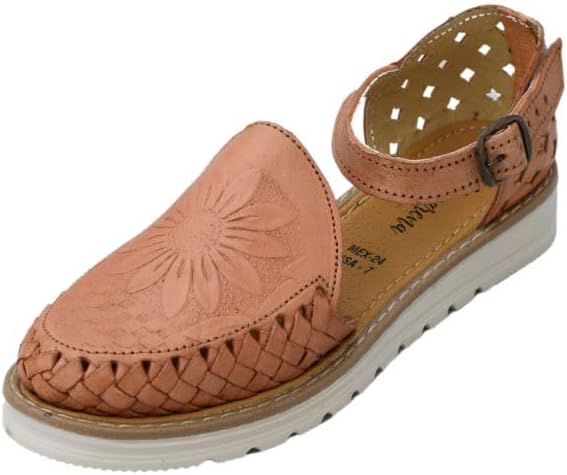
Macarena Collection Sandals: Summer Style & Comfort
Artisan Rating: ★★★★★ (4.2/5.0) | Material: 100% Genuine Vaqueta Leather
Handcrafted by master Mexican artisans using traditional vegetable-tanned leather weaving and durable soles for superior breathability and custom-molded comfort.

Western Shops Huarache Sandals: Summer Style & Comfort
Artisan Rating: ★★★★★ (4.1/5.0) | Material: 100% Genuine Vaqueta Leather
Handcrafted by master Mexican artisans using traditional vegetable-tanned leather weaving and durable soles for superior breathability and custom-molded comfort.
Huarache Sizing and Material Comparison
To ensure you are starting with the right fit—which prevents excessive stiffness and friction—refer to the following guide on traditional Mexican measurements versus US standards.
| Mexican Size (CM) | US Men's Approx. | US Women's Approx. | Recommended Weave for Comfort |
|---|---|---|---|
| 24 cm | 6 - 6.5 | 7.5 - 8 | Trenzado (Easier break-in) |
| 25 cm | 7 - 7.5 | 8.5 - 9 | Pachuco (Moderate stiffness) |
| 26 cm | 8 - 8.5 | 9.5 - 10 | Petatillo (Requires conditioning) |
| 27 cm | 9 - 9.5 | 10.5 - 11 | Araña (High flexibility) |
| 28 cm | 10 - 10.5 | 11.5 - 12 | Cruzado (Strong structural support) |
Long-Term Maintenance for Silent, Soft Leather
Preventing squeaks and stiffness is far easier than curing them. A proactive maintenance routine ensures your huaraches last for decades rather than seasons. Readers looking for versatile warm-weather footwear frequently choose the Mexican Huaraches: Authentic Leather Sandals for Summer for its breathable weave and timeless aesthetic.
The Quarterly Conditioning Cycle
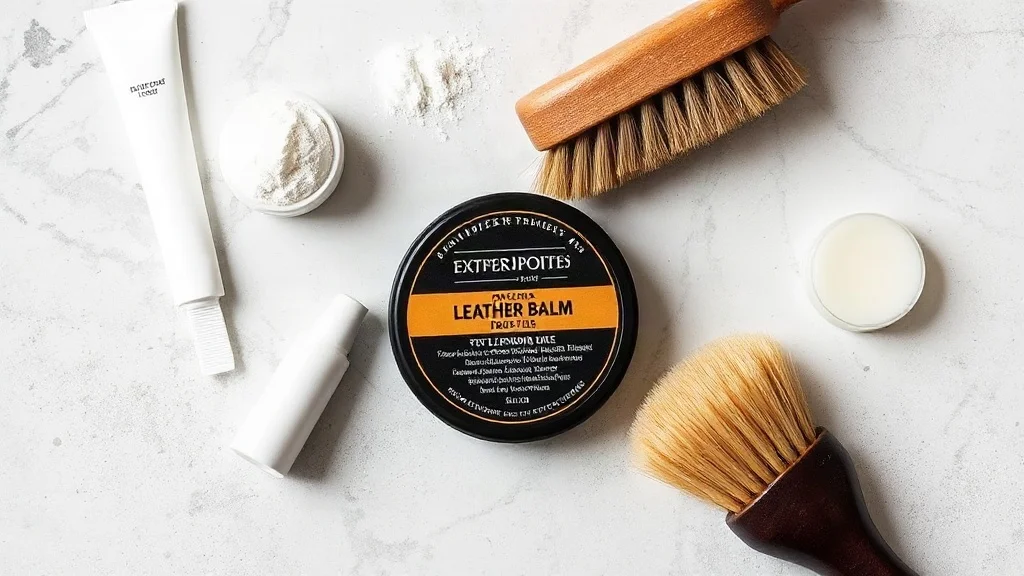
Every three months, or after a period of heavy rain and drying, apply a leather balm. Look for products containing beeswax or neatsfoot oil. This keeps the fibers supple and prevents the "dry-rub" that causes noise. Always test a small, inconspicuous area of the strap first to ensure the oil does not darken the leather beyond your preference.
Storage and Shape Retention
To prevent the leather from curling or becoming stiff in the toes, store your huaraches with cedar shoe trees or stuffed with acid-free tissue paper. This maintains the shape of the wooden last (horma) and prevents the leather from developing "memory creases" that can lead to friction points and noise.
Can I use WD-40 to stop my huaraches from squeaking?
Absolutely not. WD-40 is a solvent-based lubricant that can strip the natural tannins from vegetable-tanned vaqueta leather, leading to permanent discoloration, drying, and eventually cracking. Stick to baby powder for friction or natural leather conditioners for dryness.
How long should the break-in period for authentic huaraches take?
Depending on the weave complexity and the thickness of the leather, a typical break-in period lasts from 5 to 14 days of consistent wear. If you use the damp sock method, you can often reduce this to 2 or 3 days.
Why do my huaraches feel tighter in the morning than in the evening?
This is a natural physiological occurrence. Feet tend to swell slightly throughout the day. Because vaqueta leather is a natural material, it responds to the heat and moisture of your foot. If they are painfully tight in the morning, they may be the correct size; if they are painfully tight in the evening, they may be too small.
Will conditioning the leather make the sandals stretch too much?
Light conditioning maintains flexibility. However, saturating the leather in oils can accelerate the stretching process. Apply conditioner sparingly and only to the areas that feel stiff or sound noisy to maintain the intended fit.
Experience True Mexican Artisan Footwear
Step into hundreds of years of cultural heritage, breathable comfort, and custom-molded leather luxury with authentic handmade huarache sandals.