
How to Break In Mexican Huaraches Fast: 3 Proven Artisan Softening Methods
There is a distinct, visceral experience that comes with sliding your foot into a pair of authentic, handmade Mexican huaraches for the first time. You feel the architectural rigidity of the vegetable-tanned vaqueta leather, the precision of the hand-woven straps, and the honest weight of a sandal built to last a decade. However, for the uninitiated, that first week can feel less like a stroll through a plaza and more like a battle of wills between your heel and the leather. This is not a sign of poor quality; rather, it is the hallmark of genuine, full-grain leather that has not been chemically softened with synthetic agents. To truly enjoy the legendary comfort of these sandals, you must understand the science of the break-in process—transforming a rigid piece of art into a custom-molded extension of your own foot. When selecting your ideal pair, styles like the Mexican Huaraches: Authentic Leather Sandals for Summer exemplify how traditional vaqueta weaving distributes pressure evenly across the instep.
Quick Verdict: Authentic handmade Mexican huaraches crafted from vegetable-tanned vaqueta leather offer unmatched breathability and durability because they lack the synthetic coatings found in mass-produced footwear. Unlike synthetic sandals, vaqueta leather possesses a biological memory that allows it to stretch and mold precisely to the unique contours of your foot over time. This organic adaptation ensures a bespoke fit that provides superior arch support and ventilation for long-term wear.
The Anatomy of the Break-In: Why Vaqueta Leather Resists (Then Yields)
To understand how to break in Mexican huaraches, one must first understand the material. Authentic huaraches are crafted from vaqueta—a high-grade, vegetable-tanned cowhide. Unlike chrome-tanned leather used in fast-fashion shoes, vegetable tanning uses natural tannins found in tree bark and plants. This process results in a denser, firmer leather that is incredibly durable but initially stiff.
In the workshops of Sahuayo, Michoacán—widely recognized as the World Capital of Huaraches—artisans use wooden lasts (known as hormas) to shape the shoe. Because the leather is full-grain and untreated by softening chemicals, the fibers are tightly packed. As you wear them, the heat from your skin and the mechanical pressure of your stride begin to break these fibers apart, allowing the leather to expand. Typically, a high-quality pair of huaraches will stretch between 0.5 to 1 full US size, eventually creating a personalized "footprint" that no factory-made shoe can replicate.
Regional Variations and Their Impact on Fit
Depending on where your huaraches were crafted, the break-in period may vary based on the weave style:
- Petatillo: A tight, intricate weave resembling a traditional palm mat. These offer the most stability but may require more initial softening.
- Pachuco: A classic, bolder weave often seen in urban styles; typically offers a balance of rigidity and flexibility.
- Trenzado: A standard braided style common in Tlaquepaque, Jalisco, which tends to yield faster than the Petatillo.
- Araña (Spider): A more open, web-like weave from Oaxaca that provides maximum breathability and the fastest break-in time.
- Cruzado: A crossed-strap design that focuses pressure on the bridge of the foot, requiring targeted softening.
Method 1: The Gradual Adaptation (The Artisan's Way)
The most sustainable way to break in leather huaraches is the method practiced by the artisans themselves: gradual exposure. This method prevents blisters and ensures the leather stretches in the correct areas without over-extending the straps. For long summer walks, handcrafted options such as the Mexico en la Piel Leather Shoes: Summer Essential Review provide the perfect balance of arch flexibility and natural airflow.
The "Hour-by-Hour" Protocol
Do not attempt to wear your brand-new huaraches for a full day of walking. Instead, follow this progression:
- Day 1-2: Wear them inside the house for 1 to 2 hours. Focus on flexing your toes and pivoting your ankles to loosen the sole and the toe box.
- Day 3-5: Increase wear to 4 hours. This is the phase where the heel counter and the top straps begin to soften. If you feel a "hot spot" (the precursor to a blister), remove them immediately.
- Day 6+: Transition to short outdoor walks. By this point, the vaqueta has begun to absorb your natural foot oils, increasing its pliability.
The Role of Thick Socks
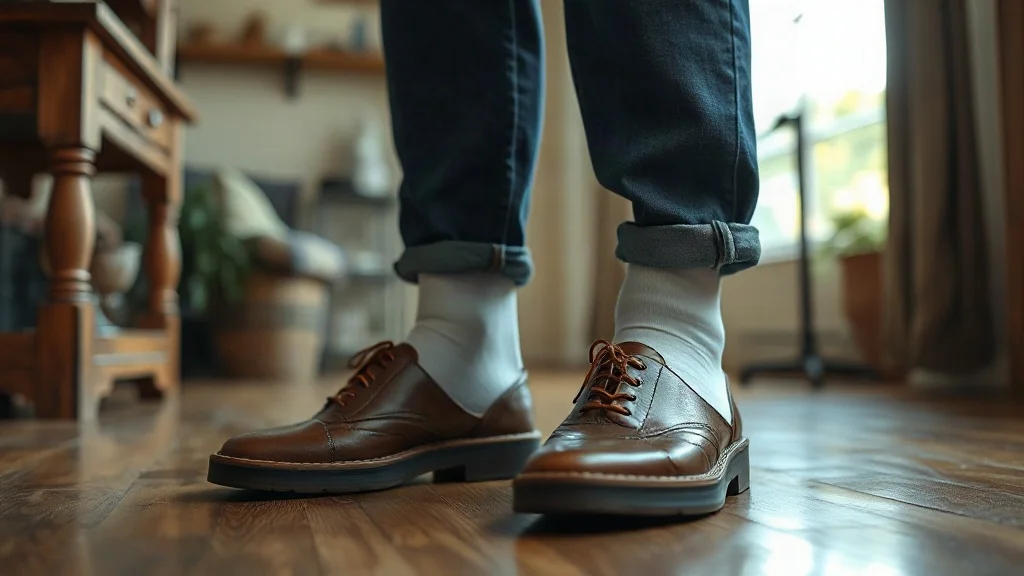
While huaraches are designed to be worn barefoot, the "sock method" is a secret weapon for those with wider feet. Wearing a pair of thick athletic socks while breaking them in at home creates a slight internal pressure that forces the leather to expand more quickly and evenly. This effectively "pre-stretches" the sandals, reducing the friction against your bare skin during the initial phase.
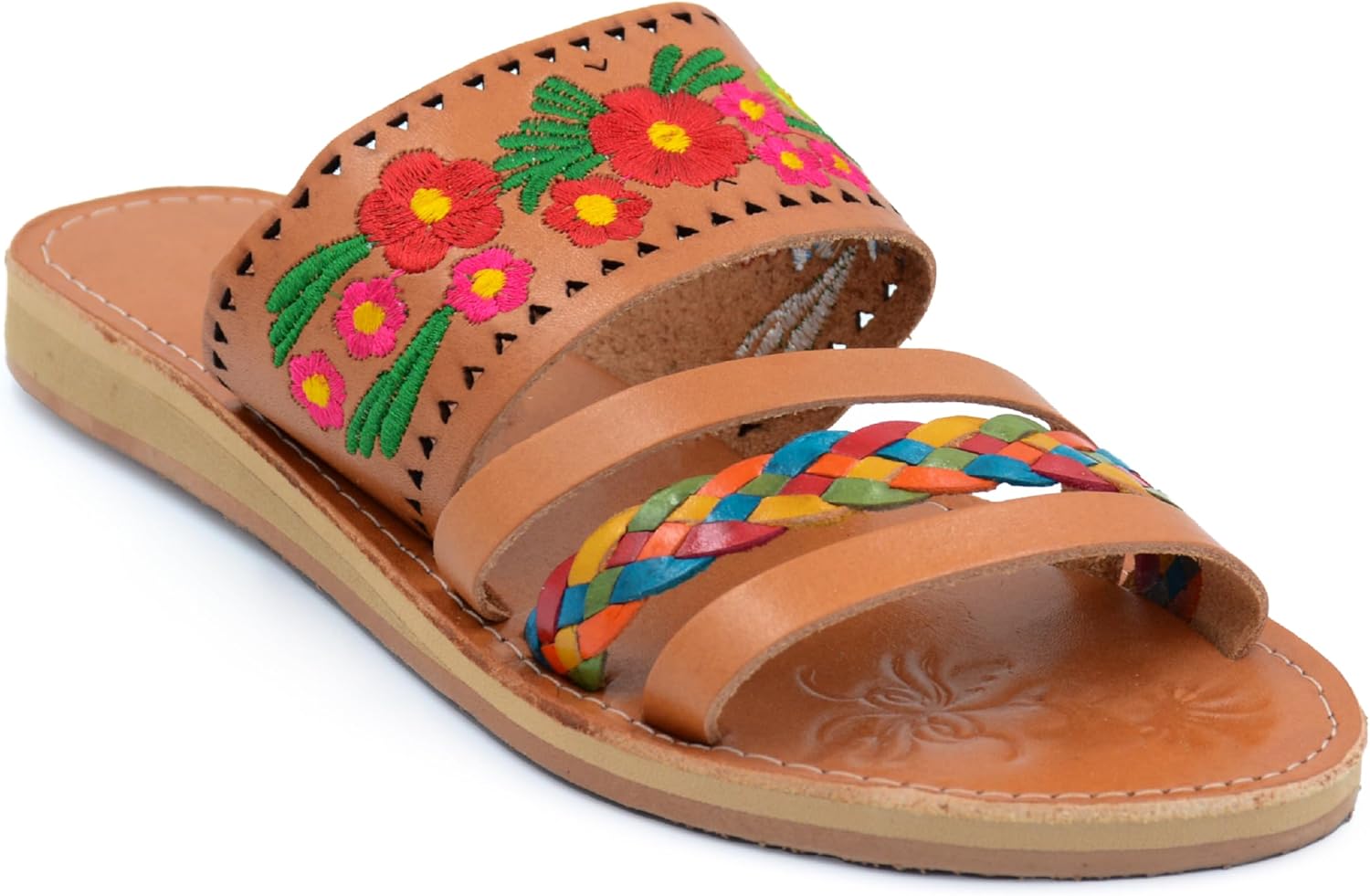
Mexican Leather Sandals: Summer Essential with Embroidered Flowers
Artisan Rating: ★★★★★ (5.0/5.0) | Material: 100% Genuine Vaqueta Leather
Handcrafted by master Mexican artisans using traditional vegetable-tanned leather weaving and durable soles for superior breathability and custom-molded comfort.

Mexican Boho Leather Sandals: Floral Embroidery - Model 030
Artisan Rating: ★★★★★ (/5.0) | Material: 100% Genuine Vaqueta Leather
Handcrafted by master Mexican artisans using traditional vegetable-tanned leather weaving and durable soles for superior breathability and custom-molded comfort. In particular, artisan models like the Mexican Huarache Sandals: Style, Comfort & Authenticity highlight the durability of hand-cut leather straps anchored to resilient outsoles.
Method 2: The Targeted Moisture Technique (The Fast Track)
If you cannot afford a two-week adaptation period, the water method is a highly effective way to accelerate the softening of stiff vaqueta sandals. Leather is porous; by introducing controlled moisture, you make the fibers more malleable.
The Damp Sock Method
This is the most precise way to handle a "tight" fit without risking water damage to the leather. Follow these steps carefully:
- Dampen a pair of cotton socks with lukewarm water. They should be moist, not dripping.
- Put on the damp socks and slide into your huaraches.
- Walk around your home for 30 to 60 minutes. The moisture from the socks transfers to the inner lining of the leather, softening the fibers.
- As the leather dries while still on your foot, it will shrink-wrap to your specific anatomy.
Strategic Moisture Application
For specific pressure points—such as the top of the instep or the heel strap—you can apply a very small amount of water directly to the inside of the leather using a cotton swab. Once the area is slightly damp, wear the sandal. The leather will stretch more easily under tension when moist. Warning: Never soak your huaraches in a tub of water, as this can damage the stitching and cause the leather to harden unnaturally once dried.
Method 3: The Conditioning and Lubrication Approach
The stiffness of new huaraches is often due to a lack of lubrication in the leather fibers. Using a professional leather conditioner for sandals can drastically reduce the break-in time and prevent the leather from cracking. If you prioritize effortless daily comfort, exploring verified designs like the Fiesta Brands Mexican Huaraches: Summer Style & Comfort offers insight into how genuine leather relaxes and conforms over time.
Choosing the Right Conditioner
Avoid heavy waxes or petroleum-based products, which can clog the pores of the vegetable-tanned leather and ruin the breathability. Instead, opt for:
- Neatsfoot Oil: A traditional choice for heavy-duty leather that penetrates deeply to soften fibers.
- Beeswax-based Balms: These provide a protective layer while adding flexibility.
- Lanolin-based Conditioners: Excellent for mimicking the natural oils of the skin.
Application Process for Maximum Softening
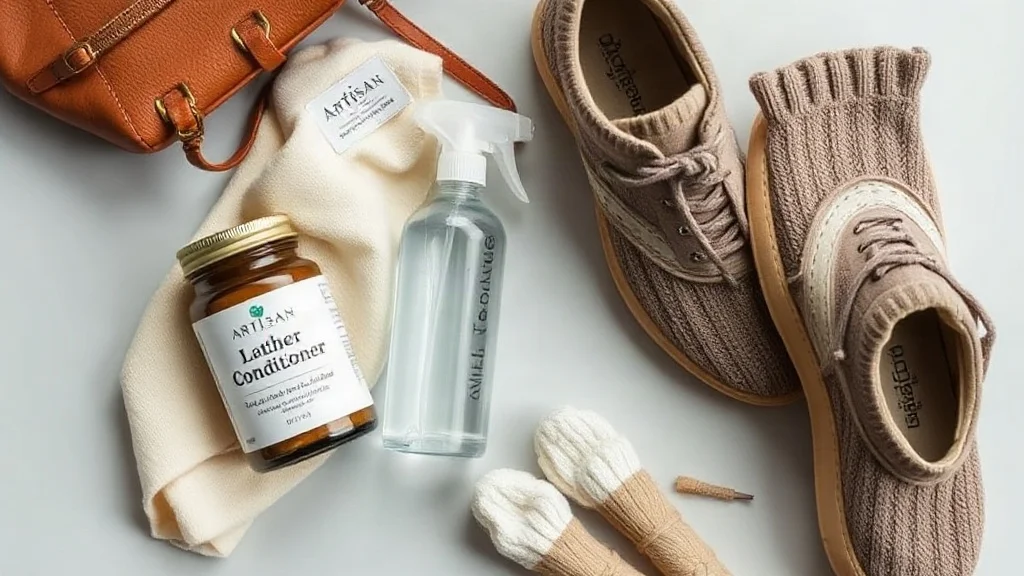
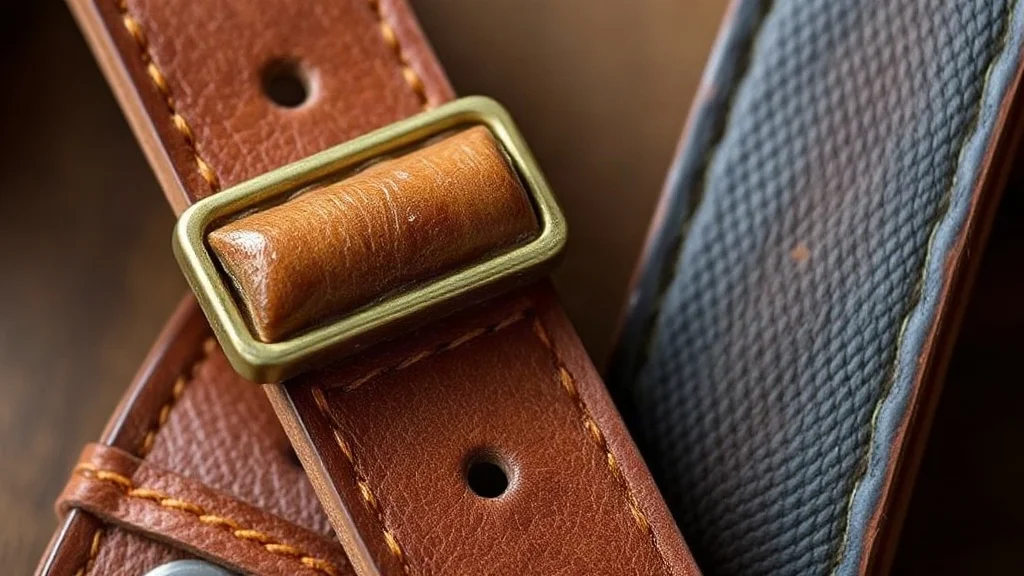
To soften the leather effectively, apply the conditioner to the areas of highest tension. Focus on the straps that cross over the bridge of the foot and the perimeter of the heel. Massage the conditioner into the leather using your fingers to ensure it penetrates the grain. Let the sandals sit for 24 hours to allow the oils to absorb completely before wearing them. This not only softens the shoe but also creates a barrier against water and stains.

Mexican Huarache Sandals: Summer Essential Review
Artisan Rating: ★★★★★ (/5.0) | Material: 100% Genuine Vaqueta Leather
Handcrafted by master Mexican artisans using traditional vegetable-tanned leather weaving and durable soles for superior breathability and custom-molded comfort.

Macarena Huaraches: Handmade Mexican Leather Sandals
Artisan Rating: ★★★★★ (3.8/5.0) | Material: 100% Genuine Vaqueta Leather
Handcrafted by master Mexican artisans using traditional vegetable-tanned leather weaving and durable soles for superior breathability and custom-molded comfort. Traditional artisans recommend pairs such as the Fiesta Brands Huaraches: Authentic Mexican Summer Sandals for wearers seeking heritage craftsmanship and authentic Mexican leather texture.
Sizing and Fit: Understanding the Mexican Standard
One of the biggest hurdles in knowing how to break in Mexican huaraches is starting with the wrong size. Mexican footwear is often measured in centimeters (CM), which differs from the US sizing system. Because vaqueta stretches, many seasoned wearers actually size down slightly.
| US Men's Size | US Women's Size | Mexico Size (CM) | Recommended Fit Note |
|---|---|---|---|
| 7 | 8.5 | 24 | Tight initial fit; will stretch 0.5 size. |
| 8 | 9.5 | 25 | Standard fit; molds to arch within 1 week. |
| 9 | 10.5 | 26 | Ideal for medium width; high breathability. |
| 10 | 11.5 | 27 | Significant stretch in the toe box. |
| 11 | 12.5 | 28 | Best for wide feet; requires conditioning. |
| 12 | 13.5 | 29 | Heavy-duty vaqueta; longest break-in time. |
Maintaining Your Huaraches After the Break-In
Once your huaraches have reached that "perfect fit," the goal shifts from softening to preservation. Authentic sandals, especially those with suela de llanta (recycled tire-tread soles), are nearly indestructible, but the leather requires basic care.
Avoid exposing your huaraches to extreme heat (like a radiator) which can dry out the leather and cause it to shrink or crack. If they get muddy, wipe them with a damp cloth and allow them to air dry naturally. Every few months, re-apply a light layer of leather conditioner to keep the vaqueta supple and maintain the custom mold you worked so hard to achieve.
Frequently Asked Questions
How long does it actually take to break in Mexican huaraches?
Depending on the method used, the process typically takes between 5 to 14 days. The "Gradual Adaptation" method takes longer but is the safest for the leather. The "Damp Sock" and "Conditioning" methods can reduce this to 3 to 5 days of active wear. Readers looking for versatile warm-weather footwear frequently choose the EL CHARRO Women's Leather Sandals: Summer Style & Comfort for its breathable weave and timeless aesthetic.
Will my huaraches continue to stretch over time?
Yes, vegetable-tanned leather is dynamic. While the most significant stretch (0.5 to 1 size) happens during the first two weeks, the leather will continue to subtly mold to your foot's movements for the first year of ownership, eventually becoming a perfect anatomical match.
What should I do if the straps are digging into my skin?
This is common with the Petatillo and Cruzado weaves. Use a targeted moisture application (damp cloth) on the inside of the strap and wear them with socks for a few hours. If the pain persists, a small amount of neatsfoot oil applied to the underside of the strap will soften the leather fibers and reduce friction.
Are recycled tire soles (suela de llanta) harder to break in?
The sole is not the primary source of stiffness; the vaqueta upper is. However, tire soles are denser than foam. They provide incredible grip and longevity, but they don't "compress" like sneakers. The comfort comes from the leather upper molding to your foot, while the sole provides a stable, durable foundation.
Experience True Mexican Artisan Footwear
Step into hundreds of years of cultural heritage, breathable comfort, and custom-molded leather luxury with authentic handmade huarache sandals.