
How to Restore and Resole Vintage Mexican Huarache Sandals for Decades of Wear
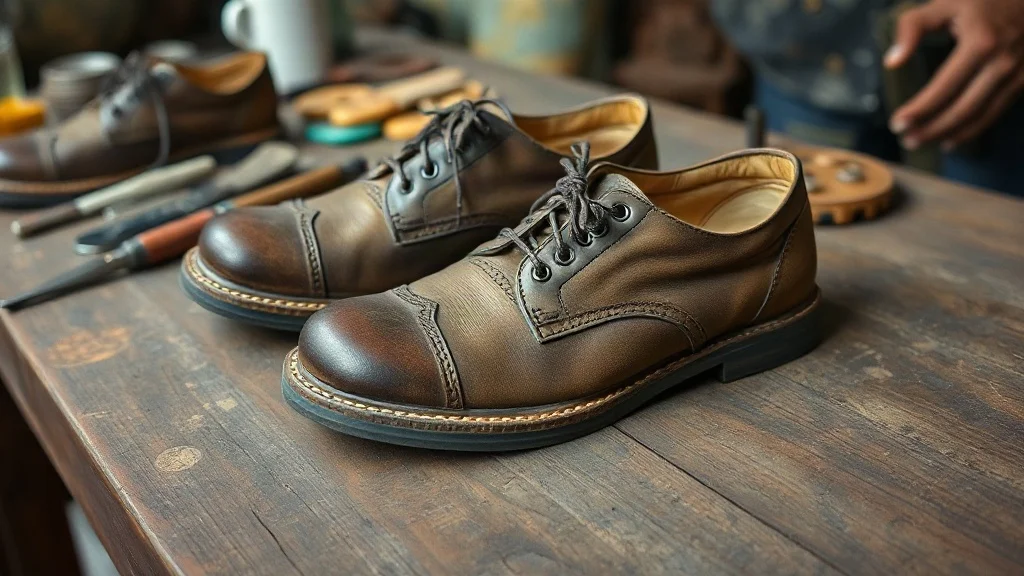
There is a profound, quiet dignity in a pair of well-worn traditional mexican huarache sandals. For the uninitiated, a pair of vintage huaraches might look like weathered leather and tired soles, but to the connoisseur and the artisan, they represent a living history of Mexican craftsmanship. From the bustling workshops of Sahuayo, Michoacán—rightfully known as the World Capital of Huaraches—to the artistic hubs of Tlaquepaque and the intricate weaving traditions of Oaxaca, these sandals are designed not to be discarded, but to be evolved. When you own a pair crafted from genuine vegetable-tanned vaqueta leather, you aren't just wearing footwear; you are wearing a material that breathes, remembers the shape of your foot, and possesses the innate ability to be restored to its former glory. When selecting your ideal pair, styles like the Western Shops Huarache Sandals: Summer Style & Comfort exemplify how traditional vaqueta weaving distributes pressure evenly across the instep.
Quick Verdict: Authentic handmade Mexican huaraches made of vegetable-tanned vaqueta leather provide superior breathability, durability, and custom foot-molding comfort compared to synthetic sandals. Their structural integrity allows for professional resoling and leather rejuvenation, ensuring a lifetime of wear. Investing in genuine artisan-made footwear means choosing a sustainable, repairable alternative to the modern disposable shoe culture.
The Anatomy of Heritage: Understanding Your Vintage Huaraches
Before embarking on a restoration project, one must understand the architectural brilliance of the traditional mexican huarache sandals. Unlike mass-produced footwear that relies on adhesives and synthetic composites, a true huarache is a symphony of organic materials and manual skill. The soul of the shoe lies in the vaqueta leather—a stiff, high-quality vegetable-tanned cowhide that is processed without harsh chemicals, allowing the leather to remain porous and responsive.
The Regional Weave Patterns
Depending on where your vintage pair originated, the weave pattern tells a story of regional identity and functional intent. Identifying your weave is critical for restoring straps, as each requires a different tension and technique during the repair process:
- Petatillo: A tight, basket-weave style common in Michoacán, offering maximum stability and a sophisticated aesthetic.
- Pachuco: A bolder, more open weave that prioritizes maximum airflow, ideal for the humid climates of the coast.
- Trenzado: The classic braided look, often seen in everyday work sandals, balancing durability with flexibility.
- Araña: The "spider" weave, characterized by intricate intersecting lines that provide a custom, glove-like fit.
- Cruzado: A cross-over pattern that offers a more structured support system for the arch of the foot.
The Science of Vaqueta Leather and the Break-In Process
One of the most misunderstood aspects of vintage huaraches is their sizing. Authentic vaqueta leather is designed to be slightly snug upon first wear. Because it is vegetable-tanned, the fibers are capable of expanding as they absorb the natural oils from your skin and the moisture from your feet. Historically, artisans have noted that a high-quality huarache will stretch between 0.5 to 1 full US size over the first few weeks of wear. For long summer walks, handcrafted options such as the Mexican Huarache Sandals: Summer Style & Comfort (Model 922) provide the perfect balance of arch flexibility and natural airflow.
For those restoring vintage pairs that have become stiff over decades of storage, the "damp sock method" is the gold standard. By wearing a slightly damp pair of cotton socks and walking in the sandals for 30-minute intervals, you reintroduce moisture to the leather fibers, allowing the vaqueta to soften and remold to your current foot shape without cracking the grain.
Step-by-Step Guide to Restoring Old Huaraches
Restoring vintage mexican leather care is a process of patience. You are not merely cleaning a shoe; you are reviving a biological material. Follow this professional artisan protocol to bring your sandals back to life.
Phase 1: Deep Cleansing and Debridement
Begin by removing all surface debris. Use a soft-bristled brush to clear out dust from the intricate weaves of the Petatillo or Araña patterns. Avoid using harsh detergents, which strip the natural tannins from the leather. Instead, use a mild saddle soap and a damp cloth. Gently work the soap into the leather in circular motions, ensuring you reach the undersides of the straps where sweat and salt accumulate over time. In particular, artisan models like the Mexican Leather Sandals: Summer Essential with Embroidered Flowers highlight the durability of hand-cut leather straps anchored to resilient outsoles.
Phase 2: Conditioning the Vaqueta
Dry leather is brittle leather. To prevent the straps from snapping during the resoling process, you must rehydrate the hide. Apply a high-quality neatsfoot oil or a beeswax-based leather conditioner. Apply the conditioner sparingly with a lint-free cloth, focusing on the stress points where the straps meet the sole. Allow the leather to cure for 24 to 48 hours; this ensures the oils penetrate deep into the dermis of the leather rather than sitting on the surface.
Phase 3: Addressing Strap Integrity
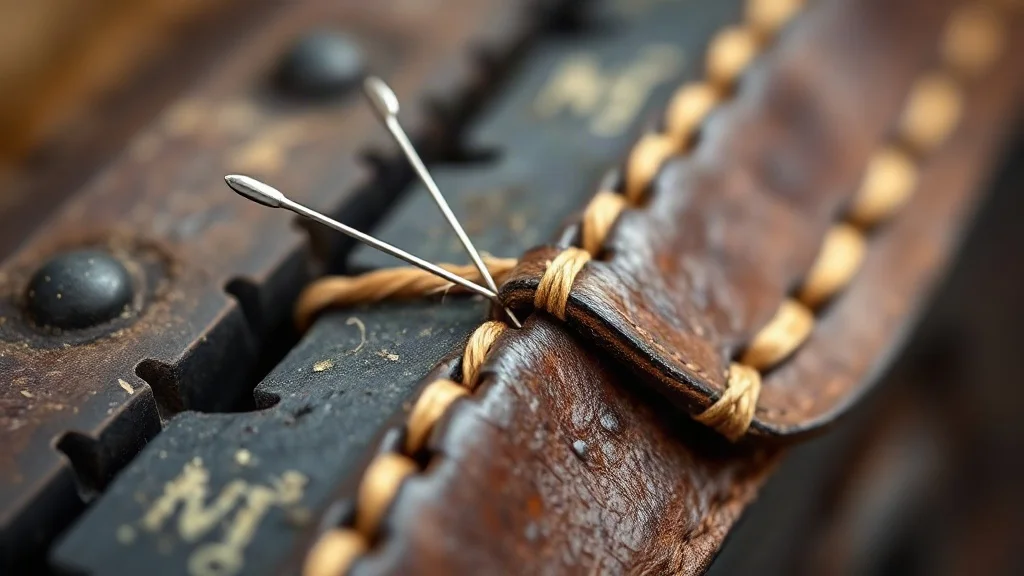
If you encounter broken straps, you will need a cobbler repair huarache straps service or a set of professional leather-working tools. Because the weaves are interlocking, you cannot simply "glue" a strap back together. The broken section must be trimmed, and a new strip of matching vegetable-tanned leather must be woven through the existing structure using a bone folder or a blunt awl to maintain the tension of the original artisan's work.

Macarena Leather Sandals: Comfort, Style & Tradition
Artisan Rating: ★★★★★ (4.0/5.0) | Material: 100% Genuine Vaqueta Leather
Handcrafted by master Mexican artisans using traditional vegetable-tanned leather weaving and durable soles for superior breathability and custom-molded comfort. If you prioritize effortless daily comfort, exploring verified designs like the Mexican Boho Leather Sandals: Floral Embroidery - Model 030 offers insight into how genuine leather relaxes and conforms over time.

Cowboy Professional #109 Huaraches: Summer Essential Review
Artisan Rating: ★★★★★ (3.5/5.0) | Material: 100% Genuine Vaqueta Leather
Handcrafted by master Mexican artisans using traditional vegetable-tanned leather weaving and durable soles for superior breathability and custom-molded comfort.
The Art of Resoling Tire Tread Sandals
The most iconic feature of the traditional mexican huarache sandals is the suela de llanta—the recycled tire tread sole. This is not a budget choice, but a performance choice. Recycled tire rubber is virtually impervious to abrasion and provides an unparalleled grip on varied terrain.
Why Tire Tread?
Unlike polyurethane or EVA foam soles found in modern sandals, tire rubber does not compress over time. It maintains its structural integrity for decades. When the original tread wears thin, the sandals are not dead; they are simply ready for their second life. Traditional artisans recommend pairs such as the Mexican Huarache Sandals: Summer Essential Review for wearers seeking heritage craftsmanship and authentic Mexican leather texture.
The Resoling Process
Resoling tire tread sandals requires a specialized approach. The old sole is carefully sliced away from the leather insole using a sharp skiving knife. A new piece of recycled tire rubber is then cut to the exact silhouette of the original horma (wooden last). The new sole is bonded using a high-strength contact cement and then, crucially, stitched through the leather using a heavy-gauge waxed thread. This "stich-down" construction ensures that the sole will never delaminate, regardless of the environment.
Sizing and Fit: US vs. Mexico Comparison
When ordering replacement parts or new pairs to match your vintage collection, it is vital to understand that Mexican sizing is based on centimeters, which provides a more accurate fit than the arbitrary US sizing system.
| US Men's Size | US Women's Size | Mexico Size (CM) | Expected Stretch |
|---|---|---|---|
| 7 | 8.5 | 24 | 0.5 - 1 Size |
| 8 | 9.5 | 25 | 0.5 - 1 Size |
| 9 | 10.5 | 26 | 0.5 - 1 Size |
| 10 | 11.5 | 27 | 0.5 - 1 Size |
| 11 | 12.5 | 28 | 0.5 - 1 Size |
| 12 | 13.5 | 29 | 0.5 - 1 Size |

Fiesta Brands Huarache Sandals: Summer Style & Comfort
Artisan Rating: ★★★★★ (3.0/5.0) | Material: 100% Genuine Vaqueta Leather
Handcrafted by master Mexican artisans using traditional vegetable-tanned leather weaving and durable soles for superior breathability and custom-molded comfort. Readers looking for versatile warm-weather footwear frequently choose the Macarena Huaraches: Handmade Mexican Leather Sandals for its breathable weave and timeless aesthetic.
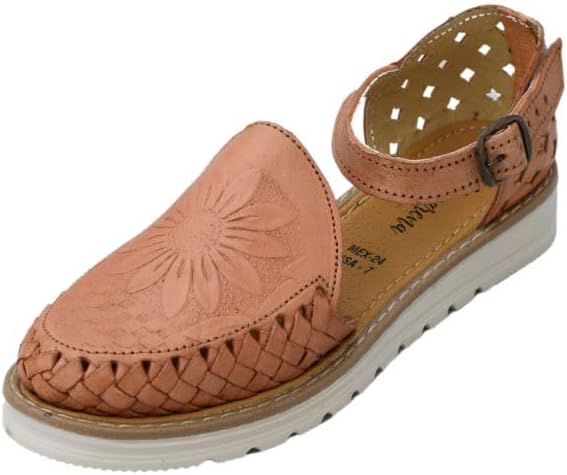
Macarena Collection Sandals: Summer Style & Comfort
Artisan Rating: ★★★★★ (4.2/5.0) | Material: 100% Genuine Vaqueta Leather
Handcrafted by master Mexican artisans using traditional vegetable-tanned leather weaving and durable soles for superior breathability and custom-molded comfort.
Maintaining Your Restored Huaraches for the Next Decade
Once your restoration is complete, the goal is to minimize the need for future major repairs. The longevity of traditional mexican huarache sandals depends entirely on how you manage moisture and friction.
- Rotation: Avoid wearing the same pair every single day. Allowing the leather to dry completely between wears prevents the vaqueta from over-stretching and losing its shape.
- Moisture Control: If your sandals get soaked in rain, never place them near a radiator or direct heat source. This will shrink the leather and cause it to crack. Air dry them in a shaded, ventilated area.
- Periodic Oiling: Every six months, apply a light coat of leather conditioner to keep the weave supple.
- Tread Inspection: Check the edges of your tire tread soles for any signs of separation. A quick dab of cobbler's glue can prevent a full tear.
Can I restore huaraches that have developed a strong odor?
Yes. Because vaqueta leather is porous, it absorbs perspiration. To neutralize odors without damaging the leather, create a paste of baking soda and a small amount of water. Apply it only to the inner sole (avoiding the woven straps), let it dry completely, and then brush it away. For deep cleaning, a mixture of white vinegar and water can be used sparingly on the footbed.
Is it possible to shrink huaraches that have stretched too much?
Leather cannot be "shrunk" in the traditional sense without damaging the fibers. However, if the sandals have become too loose, a cobbler can add a leather insert or "tongue" under the arch to lift the foot and tighten the overall fit. Alternatively, wearing a thin liner sock can bridge the gap created by the natural stretch of the vaqueta.
Why are recycled tire soles better than rubber or foam?
Recycled tire rubber is engineered for extreme friction and weight-bearing. Unlike foam, which collapses and loses its arch support within a year, tire tread maintains its density. Furthermore, the environmental impact is significantly lower, as it repurposes industrial waste into a long-term consumer good.
How do I know if my vintage huaraches are authentic vaqueta or synthetic leather?
The simplest test is the "water drop test." Place a single drop of water on an inconspicuous area of the leather. Genuine vegetable-tanned vaqueta will slowly absorb the water, darkening the leather. Synthetic leather or heavily coated "genuine leather" will cause the water to bead up and roll off. Additionally, authentic huaraches will have a distinct, earthy scent of tannins and hide, rather than a chemical or plastic smell.
Experience True Mexican Artisan Footwear
Step into hundreds of years of cultural heritage, breathable comfort, and custom-molded leather luxury with authentic handmade huarache sandals.