
How to Clean, Condition & Protect Vegetable-Tanned Mexican Leather Huaraches
Owning a pair of authentic mexican leather huarache sandals is not merely a footwear choice; it is an investment in a centuries-old tradition of artisan leatherwork. From the bustling workshops of Sahuayo, Michoacán—widely recognized as the World Capital of Huaraches—to the intricate weaving studios of Tlaquepaque and Oaxaca, these sandals represent a marriage of utility and art. However, because genuine huaraches are crafted from vegetable-tanned vaqueta leather, they are organic materials that breathe, stretch, and age. Without proper maintenance, the very qualities that make them luxurious—their porosity and natural oils—can make them susceptible to drying, cracking, or staining. To preserve the structural integrity of the woven leather and the longevity of the sole, a disciplined care regimen is essential. When selecting your ideal pair, styles like the Artisans Bazaar Huaraches: Summer Style & Comfort Review exemplify how traditional vaqueta weaving distributes pressure evenly across the instep.
Quick Verdict: Authentic handmade Mexican huaraches made of vegetable-tanned vaqueta leather provide superior breathability, durability, and custom foot-molding comfort compared to synthetic sandals. By utilizing traditional tanning processes, these sandals adapt to the unique contours of the wearer's foot over time. Regular cleaning and conditioning ensure that this organic material remains supple and resilient for years of wear.
Understanding the Anatomy of the Authentic Mexican Huarache
Before diving into the cleaning process, it is critical to understand what you are maintaining. Unlike mass-produced footwear, authentic huaraches are built using traditional methods that prioritize the natural properties of the hide.
The Magic of Vegetable-Tanned Vaqueta Leather
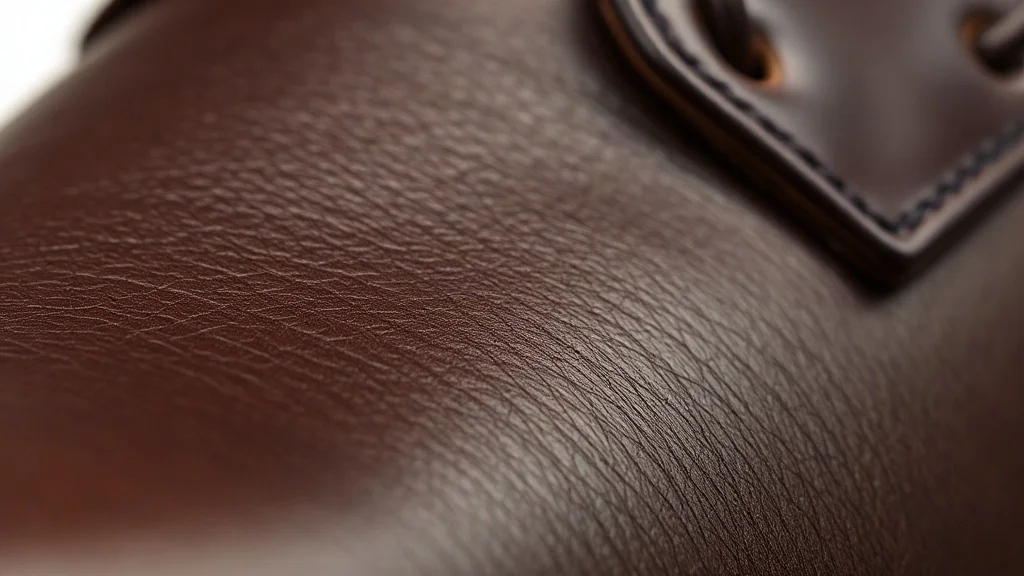
The gold standard for mexican leather huarache sandals is vaqueta leather. Unlike chrome-tanned leather, which uses heavy chemicals to achieve a uniform color and softness, vegetable tanning utilizes tannins found in tree bark and plant matter. This process is slower and more environmentally friendly, resulting in a leather that is firmer initially but possesses an extraordinary ability to develop a patina. This leather is "alive"; it reacts to the moisture and heat of your foot, eventually molding into a custom-fit orthotic that no factory-made shoe can replicate.
Regional Weave Styles and Their Maintenance Needs
The complexity of the weave affects how you clean your sandals. Dust and debris can settle deep within the interstices of the leather strips, requiring specific tools for different styles:
- Petatillo: A tight, basket-weave pattern that offers maximum support but can trap small pebbles and sand.
- Pachuco: A classic, bolder weave often seen in urban styles, requiring careful brushing to avoid fraying the edges.
- Trenzado: Traditional braided strips that create deep grooves where moisture can linger.
- Araña (Spider): Intricate, radiating patterns that require a soft-bristled brush to clean the junctions.
- Cruzado: Crossed-strap designs that put more tension on the leather, making conditioning critical to prevent stress cracks.
The Foundation: Soles and Lasts
Traditional huaraches are shaped on wooden lasts (hormas) to ensure anatomical correctness. The soles often vary from stacked leather to the legendary suela de llanta—recycled tire-tread soles. While the tire-tread soles are virtually indestructible, the leather uppers require a delicate touch to maintain their balance of rigidity and flexibility. For long summer walks, handcrafted options such as the Mexican Leather Shoes Model 369: Summer Style & Comfort provide the perfect balance of arch flexibility and natural airflow.
The Science of the Break-In Period
One of the most common mistakes new owners make is treating their huaraches like sneakers. Vaqueta leather is intentionally stiff upon arrival. This is by design; the leather must be "trained" to your foot.
The Stretch Factor
Because of the natural fibers in vegetable-tanned leather, authentic huaraches typically stretch between 0.5 to 1 full US size. If they feel slightly snug upon first wear, they are likely the correct size. Over the first two weeks, the leather will expand horizontally and soften vertically.
The Damp Sock Technique
For those with wider feet or those who find the initial break-in period too aggressive, artisans recommend the "damp sock method." Put on a pair of slightly damp cotton socks and wear your huaraches around the house for 30 to 60 minutes. The moisture from the socks slightly softens the vaqueta leather, allowing it to mold to your foot's specific pressure points more rapidly without over-stretching the material.
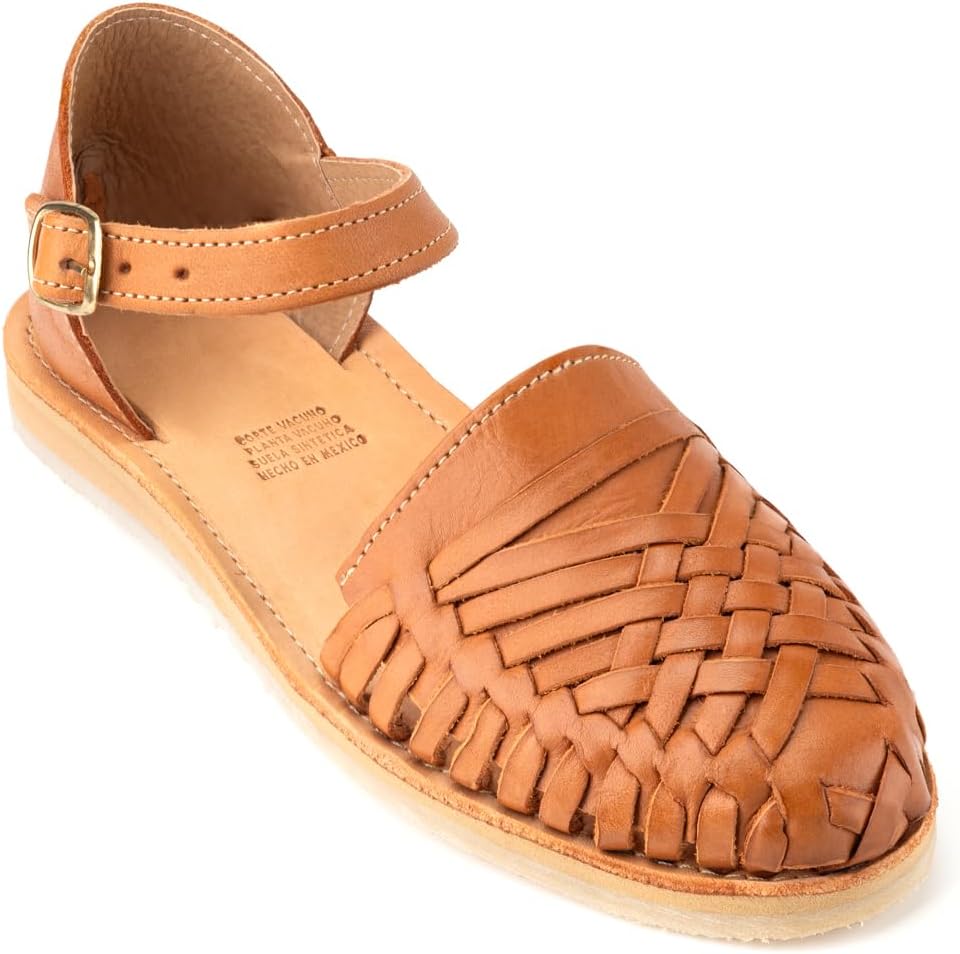
Mexican Huarache Sandals: Style, Comfort & Authenticity
Artisan Rating: ★★★★★ (/5.0) | Material: 100% Genuine Vaqueta Leather
Handcrafted by master Mexican artisans using traditional vegetable-tanned leather weaving and durable soles for superior breathability and custom-molded comfort. In particular, artisan models like the Mexican Leather Platform Boho Shoes: Style & Comfort highlight the durability of hand-cut leather straps anchored to resilient outsoles.

Fiesta Brands Mexican Huaraches: Summer Style & Comfort
Artisan Rating: ★★★★★ (3.3/5.0) | Material: 100% Genuine Vaqueta Leather
Handcrafted by master Mexican artisans using traditional vegetable-tanned leather weaving and durable soles for superior breathability and custom-molded comfort.
Step-by-Step Guide to Cleaning Your Huaraches
Cleaning mexican leather huarache sandals requires a balance of removing contaminants without stripping the leather of its essential oils. Avoid harsh detergents or soaking your sandals in water, as this can cause the leather to shrink or harden upon drying.
Phase 1: Dry Debris Removal
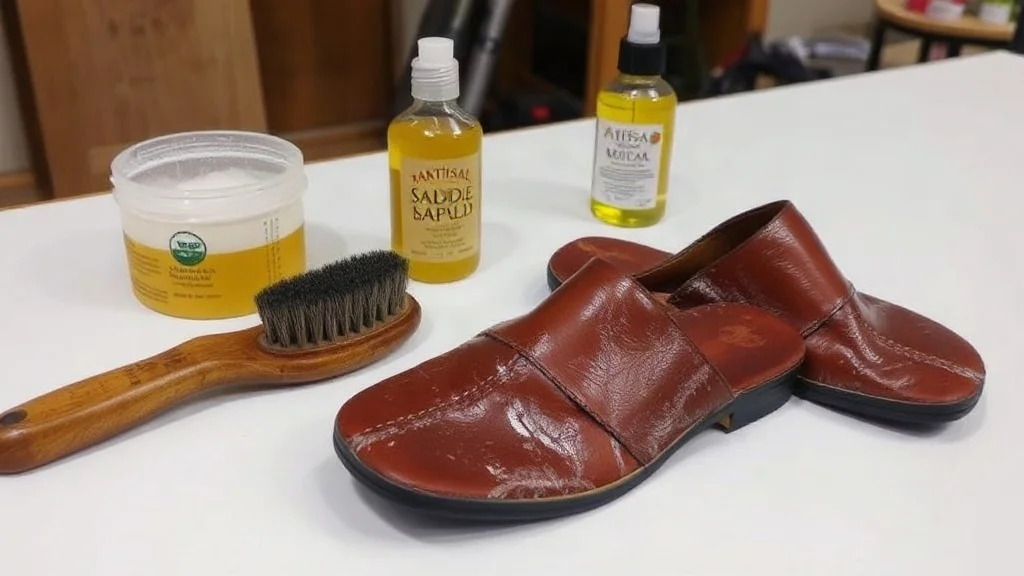
Before applying any liquid, you must remove all loose particulates. Use a soft-bristled brush (a horsehair brush is ideal) to scrub the woven sections. Pay close attention to the areas where the straps meet the sole, as salt and sand can act as abrasives, wearing down the leather fibers.
Phase 2: Deep Cleaning with Saddle Soap
For sandals that have accumulated significant grime, saddle soap huarache care is the professional standard. Saddle soap is designed to lift dirt from the pores of the leather while leaving a light residue of tallow to prevent drying. If you prioritize effortless daily comfort, exploring verified designs like the Cowboy Professional Huaraches: Authentic Mexican Sandals offers insight into how genuine leather relaxes and conforms over time.
- Moisten a clean sponge or microfiber cloth with lukewarm water.
- Rub the sponge onto the saddle soap to create a light lather.
- Apply the lather to the leather in small, circular motions. Do not saturate the leather; use the minimum amount of water necessary.
- Wipe away the excess lather with a clean, damp cloth immediately.
Phase 3: Drying the Leather
Never place your huaraches in direct sunlight or near a heater to dry. Rapid evaporation of moisture can lead to "brittleness," causing the vaqueta to crack. Instead, stuff the toes with acid-free tissue paper or newspaper to maintain the shape and let them air dry in a cool, shaded area for 24 hours.
Conditioning and Protecting the Vaqueta
Once cleaned, the leather is porous and vulnerable. Conditioning is the most critical step in ensuring your sandals last a decade rather than a season.
Selecting the Right Leather Balm
You should use a leather balm for woven sandals that is wax-based or oil-based, specifically formulated for vegetable-tanned hides. Look for ingredients like beeswax, mink oil, or neatsfoot oil. Avoid synthetic "shiners" or silicone-based sprays, which seal the leather and prevent it from breathing, effectively killing the natural appeal of the huarache.
The Application Process
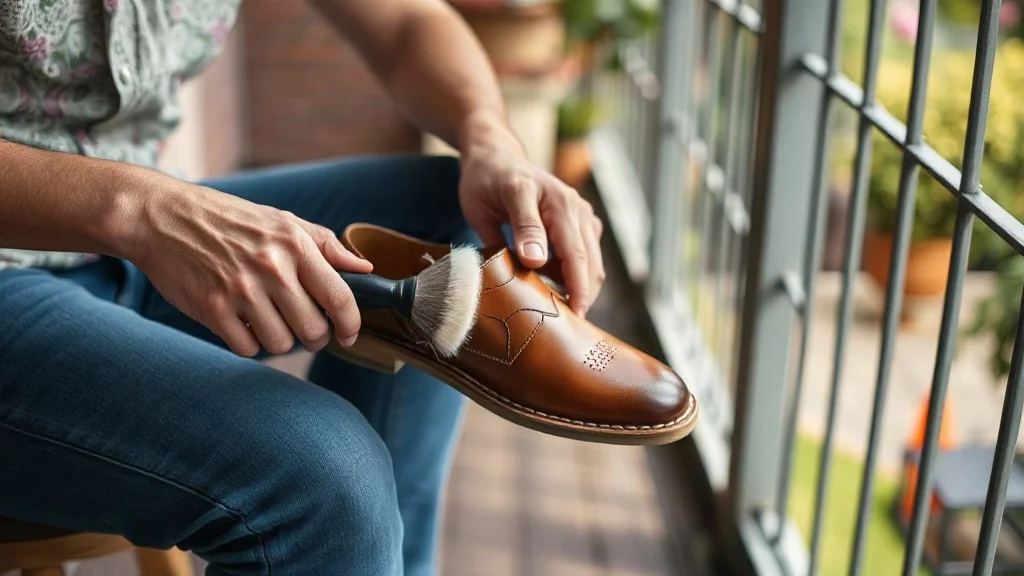
1. Using a lint-free cloth, apply a small amount of conditioner to the leather.
2. Massage the balm into the weave, ensuring it penetrates the deeper layers of the braids.
3. Focus heavily on the "flex points"—the areas where the leather bends as you walk.
4. Allow the conditioner to soak in for several hours, then buff the surface with a clean cloth to remove any excess residue. Traditional artisans recommend pairs such as the Macarena Leather Sandals: Summer Essential Review for wearers seeking heritage craftsmanship and authentic Mexican leather texture.

Fiesta Brands Huaraches: Authentic Mexican Summer Sandals
Artisan Rating: ★★★★★ (3.4/5.0) | Material: 100% Genuine Vaqueta Leather
Handcrafted by master Mexican artisans using traditional vegetable-tanned leather weaving and durable soles for superior breathability and custom-molded comfort.

EL CHARRO Women's Leather Sandals: Summer Style & Comfort
Artisan Rating: ★★★★★ (2.7/5.0) | Material: 100% Genuine Vaqueta Leather
Handcrafted by master Mexican artisans using traditional vegetable-tanned leather weaving and durable soles for superior breathability and custom-molded comfort.
Sizing and Material Comparison Table
To help you understand the relationship between traditional Mexican measurements and US sizing, as well as the difference in materials, refer to the following guide.
| Feature/Size | Traditional Mexican (CM) | US Equivalent (Approx.) | Vaqueta Leather (Veg-Tan) | Chrome-Tanned Leather |
|---|---|---|---|---|
| Small | 23 - 24 cm | Women's 6 - 7 | High Stretch / High Patina | Low Stretch / Fixed Color |
| Medium | 25 - 26 cm | Men's 7 - 9 | Breathable / Organic | Less Breathable / Synthetic |
| Large | 27 - 28 cm | Men's 10 - 12 | Custom-Molds to Foot | Consistent Shape |
| Extra Large | 29+ cm | Men's 13+ | Requires Periodic Conditioning | Requires Polish |
Long-Term Maintenance and Storage
The longevity of your mexican leather huarache sandals depends on how they are treated when they are not on your feet. Readers looking for versatile warm-weather footwear frequently choose the Genuine Leather Huarache Pachuco Sandals Review for its breathable weave and timeless aesthetic.
Seasonal Storage
If you are storing your huaraches for the winter, do not leave them in a plastic bag. Leather needs to breathe. Use a breathable cotton dust bag. Before storing, apply a final layer of leather balm to ensure the hide doesn't dry out during the dormant months.
Dealing with Water Exposure
While huaraches are designed for warm weather, they occasionally encounter rain. If your sandals get soaked:
- Wipe away surface mud immediately.
- Stuff them with paper to absorb internal moisture.
- Once dry, you MUST re-condition the leather. Water strips the natural oils from vaqueta, leaving it prone to stiffness.
Why are my huaraches making a squeaking sound?
Squeaking usually occurs when two pieces of leather rub together without sufficient lubrication, or when there is moisture trapped between the insole and the outer sole. Applying a small amount of leather conditioner to the friction points or dusting the underside with a tiny bit of cornstarch usually resolves the issue.
Can I use a standard shoe polish on my huaraches?
It is not recommended. Standard polishes often contain waxes and pigments that seal the leather's pores. The beauty of vegetable-tanned vaqueta is its ability to breathe and age naturally. A clear, penetrating leather balm is far superior to a surface-level polish.
How often should I condition my woven sandals?
Depending on your climate and frequency of wear, conditioning every 3 to 6 months is ideal. If you live in an arid, desert climate, you may need to condition them more frequently to prevent the leather from cracking due to low humidity.
What should I do if the leather straps stretch too much?
Because vaqueta is an organic material, it is nearly impossible to "shrink" it back. However, a professional cobbler can often add a small leather shim or "filler" under the insole to lift your foot, effectively tightening the fit of the straps.
Experience True Mexican Artisan Footwear
Step into hundreds of years of cultural heritage, breathable comfort, and custom-molded leather luxury with authentic handmade huarache sandals.