
Traditional Mexican Baby Huaraches as Cultural Keepsakes & Meaningful Gifts
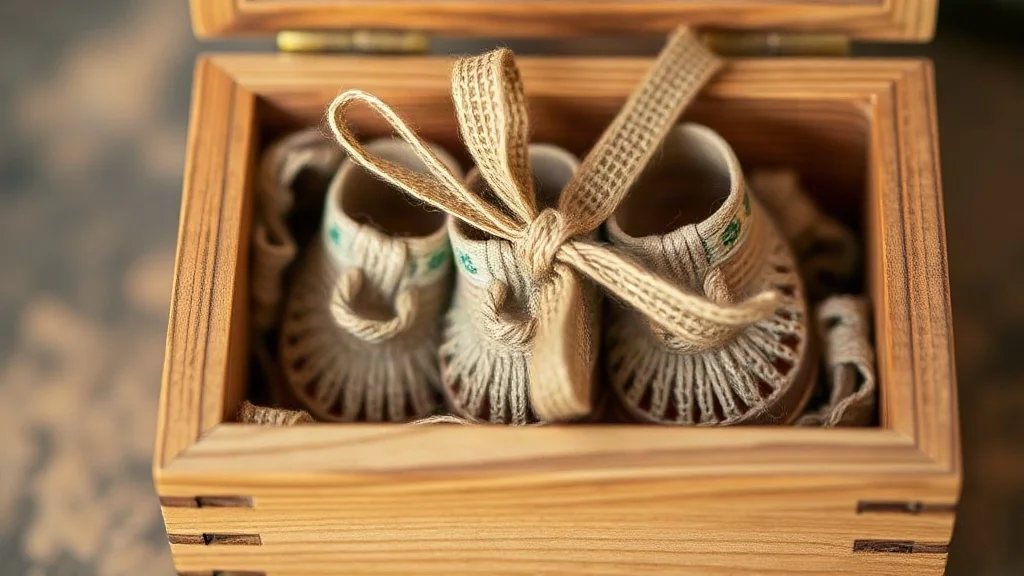
There is a profound, unspoken language in the first steps a child takes, and for many families, that journey begins with the tactile richness of authentic Mexican leather. Far more than mere footwear, traditional baby huarache sandals are living artifacts of a lineage that stretches back to the pre-Hispanic era, blending indigenous weaving techniques with Spanish leather-working traditions. For the modern parent or the thoughtful gift-giver, choosing these sandals is not just a fashion statement; it is an investment in a cultural heirloom that honors the heritage of Michoacán, Jalisco, and Oaxaca, providing a newborn's foot with a natural, breathable environment that synthetic alternatives simply cannot replicate. When selecting your ideal pair, styles like the Infant Summer Sandals: Style, Comfort & Durability exemplify how traditional vaqueta weaving distributes pressure evenly across the instep.
Quick Verdict: Authentic baby huarache sandals crafted from vegetable-tanned vaqueta leather offer unmatched breathability and organic flexibility that supports early foot development. Unlike synthetic materials, these handcrafted sandals mold specifically to the infant's foot shape over time, ensuring a custom fit and lifelong durability. They serve as a superior choice for those seeking a meaningful, cultural gift that combines ancestral artistry with practical, hypoallergenic comfort.
The Art of the Miniature: Crafting Baby Huarache Sandals Mexican Style
To understand the value of baby huarache sandals, one must first understand the geography of their creation. The heart of this industry beats in Sahuayo, Michoacán—widely recognized as the World Capital of Huaraches. Here, the art of the huarachero is passed down through generations, treating the creation of infant footwear with the same rigor and precision as adult luxury boots.
The Science of Vaqueta Leather
The gold standard for traditional footwear is full-grain vegetable-tanned vaqueta leather. Unlike chrome-tanned leathers, which use harsh chemicals, vaqueta is tanned using natural tannins found in tree bark and plants. For a baby's sensitive skin, this is critical. Vegetable-tanned leather is hypoallergenic and possesses a natural porosity that allows the foot to breathe, preventing the moisture buildup and friction that often lead to blisters in plastic or faux-leather shoes.
One of the most remarkable characteristics of vaqueta is its "memory." When used in baby huaraches, the leather begins as a firm structure but gradually yields to the specific contours of the child's foot. This creates a bespoke fit that evolves as the baby grows, providing a level of ergonomic support that mass-produced footwear cannot achieve.
The Anatomy of the Sole: From Tradition to Utility
Historically, huaraches utilized a suela de llanta—a sole made from recycled tire tread. While modern luxury versions may use stitched leather soles, the tire-tread tradition remains prized for its incredible durability and grip. For a toddler finding their balance, the high-traction nature of recycled rubber provides a safety margin on slick surfaces, while the thickness of the sole protects tender soles from the heat of the pavement or the chill of the tile. For long summer walks, handcrafted options such as the Baby Huaraches: Authentic Mexican Sandals for Summer Fun provide the perfect balance of arch flexibility and natural airflow.
Decoding the Weaves: Regional Styles and Symbolic Patterns
The beauty of the baby huarache lies in the trenzado (braiding). Each weave is not merely decorative; it represents a specific regional identity and a level of technical mastery. The artisan uses wooden lasts, known as hormas, to shape the leather, hand-weaving the strips of vaqueta around the mold with surgical precision.
- Petatillo: A tight, checkerboard-like weave reminiscent of the traditional Mexican palm mat (petate). It is the most durable weave, offering maximum support for the foot.
- Pachuco: A more open, stylish weave that allows for maximum airflow, making it the ideal choice for humid climates or summer months.
- Trenzado: The classic braided style, often seen in Oaxaca, featuring thick, interlaced straps that provide a secure hold on a wiggly infant foot.
- Araña: The "spider" weave, characterized by radiating lines that converge at a central point, showcasing the artisan's ability to maintain tension across the bridge of the foot.
- Cruzado: A crisscross pattern that offers a balance between the breathability of the Pachuco and the stability of the Petatillo.

Baby Huarache Sandals: Comfort, Style & Culture for Summer
Artisan Rating: ★★★★★ (4.2/5.0) | Material: 100% Genuine Vaqueta Leather
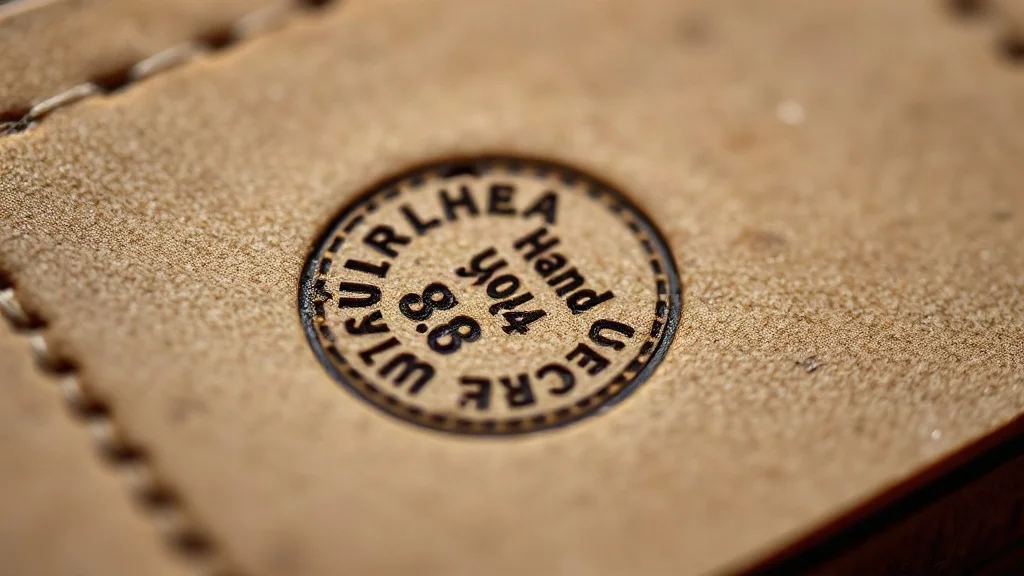
Handcrafted by master Mexican artisans using traditional vegetable-tanned leather weaving and durable soles for superior breathability and custom-molded comfort.

ARIAT Lil' Stompers: Best Infant Western Boots Review
Artisan Rating: ★★★★★ (4.8/5.0) | Material: 100% Genuine Vaqueta Leather
Handcrafted by master Mexican artisans using traditional vegetable-tanned leather weaving and durable soles for superior breathability and custom-molded comfort.
The Break-In Process: A Master Artisan's Guide
New owners of authentic leather huaraches are often surprised to find the sandals feel slightly stiff upon arrival. This is the hallmark of high-quality, full-grain vaqueta. Because the leather is not pre-stretched with chemicals, it requires a brief "break-in" period to mold to the wearer. In particular, artisan models like the Hitoddler Baby Sandals: Summer Style & Comfort for Little Feet highlight the durability of hand-cut leather straps anchored to resilient outsoles.
The Stretch Factor
High-quality vaqueta leather typically stretches between 0.5 to 1 full size. This is why experienced artisans often recommend a snug initial fit. As the natural oils from the skin interact with the leather, the fibers relax and expand. For babies, this means the shoe grows with them, extending the wearable life of the footwear.
Professional Tips for a Perfect Fit
If the sandals feel slightly too tight during the first few wears, the "damp sock" method is a time-honored secret. By wearing a slightly damp cotton sock inside the huarache for 30 minutes, the moisture helps the leather fibers expand more quickly and smoothly, accelerating the custom-molding process without compromising the integrity of the weave.
Sizing and Selection: US vs. Mexican Standards
Sizing for baby huaraches can be confusing because traditional artisans measure in centimeters (CM) rather than arbitrary US size numbers. To ensure a perfect fit, it is always recommended to measure the child's foot from the heel to the longest toe in centimeters.
| Baby Age/Stage | Approx. US Size | Mexican CM Measurement | Recommended Weave |
|---|---|---|---|
| Newborn/Infant | 0 - 2 | 9cm - 11cm | Trenzado (Soft) |
| Early Walker | 3 - 5 | 11.5cm - 13cm | Petatillo (Supportive) |
| Toddler | 6 - 9 | 13.5cm - 16cm | Pachuco (Breathable) |
| Preschool | 10 - 12 | 16.5cm - 19cm | Cruzado (Versatile) |

Baby Girl Foot Flower Shoes: Summer Essential & Comfort
Artisan Rating: ★★★★★ (4.4/5.0) | Material: 100% Genuine Vaqueta Leather
Handcrafted by master Mexican artisans using traditional vegetable-tanned leather weaving and durable soles for superior breathability and custom-molded comfort. If you prioritize effortless daily comfort, exploring verified designs like the Baby Girl Barefoot Sandals: Style, Comfort & Tradition offers insight into how genuine leather relaxes and conforms over time.

Baby Huaraches: Comfort & Style for Your Little One
Artisan Rating: ★★★★★ (4.1/5.0) | Material: 100% Genuine Vaqueta Leather
Handcrafted by master Mexican artisans using traditional vegetable-tanned leather weaving and durable soles for superior breathability and custom-molded comfort.
The Cultural Significance: More Than Just a Baby Shower Gift
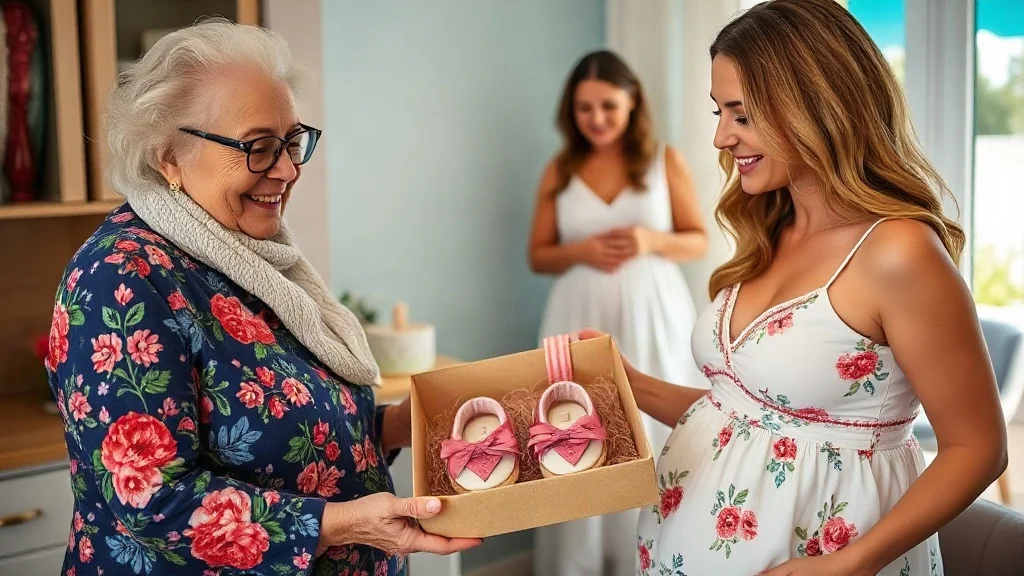
In Mexican culture, gifting a child their first pair of huaraches is often a rite of passage. When given as a mexican baby shower gift, these sandals represent a wish for the child to walk a path of strength, tradition, and connection to their roots. They are considered cultural heirlooms—items that carry the spirit of the artisan and the history of the land.
Why Choose Huaraches Over Modern Sneakers?
Modern infant shoes are often constructed from synthetic plastics and foams that restrict the natural movement of the foot. Pediatricians often emphasize the importance of "barefoot-style" movement during the first years of life to develop the arch and ankle stability. Baby huarache sandals provide the perfect middle ground: they protect the foot from external elements while allowing the toes to splay and the foot to flex naturally, mimicking the freedom of being barefoot.
A Sustainable Alternative
In an era of "fast fashion," the handcrafted baby gift from Mexico stands as a beacon of sustainability. Because they are made from organic materials—leather, vegetable tannins, and recycled rubber—they avoid the microplastics associated with synthetic footwear. Furthermore, the durability of vaqueta means these shoes don't end up in a landfill after three months; they are built to last through the most rigorous toddler explorations. Traditional artisans recommend pairs such as the Jastore Squeaky Sandals: Fun & Safe First Steps for wearers seeking heritage craftsmanship and authentic Mexican leather texture.
Frequently Asked Questions About Baby Huaraches
Are traditional leather sandals safe for newborns?
Yes, provided they are made from vegetable-tanned vaqueta leather. This process avoids the chromium and harsh chemicals found in industrial tanning, making the material hypoallergenic and safe for sensitive infant skin. The breathable nature of the weave also prevents overheating and skin irritation.
How do I clean baby huaraches without ruining the leather?
Avoid soaking the sandals in water. For light cleaning, use a damp cloth and a mild leather soap. For deeper cleaning, a soft brush can remove surface dust. To maintain the leather's suppleness, apply a small amount of natural beeswax or a leather conditioner every few months to prevent the vaqueta from drying or cracking.
How do I know if I should size up or down?
Because authentic vaqueta leather stretches by roughly half a size, you should aim for a fit that is snug but not restrictive. If you are between sizes, it is generally better to size down, as the leather will naturally expand to accommodate the foot. Always rely on the centimeter measurement of the foot for the most accurate selection.
Can baby huaraches be worn in all seasons?
Huaraches are primarily designed for warm weather due to their open-weave construction. However, they are excellent for transitional seasons. In cooler weather, they can be paired with traditional Mexican socks for a culturally authentic look that keeps the child warm while maintaining the structural benefits of the leather sandal. Readers looking for versatile warm-weather footwear frequently choose the KIDSUN Baby Sandals: Comfort & Style for Little Feet for its breathable weave and timeless aesthetic.
Investing in Heritage: The Long-Term Value of Artisan Footwear
When you purchase baby huarache sandals, you are not just buying a product; you are supporting a community of artisans in places like Tlaquepaque and Oaxaca. Each pair represents hours of manual labor, from the cutting of the hide to the final stitch of the sole. This human element is what transforms a simple shoe into a cultural keepsake.
For the parent, these sandals become a memory marker. The scuffs on the leather and the way the sandals mold to the child's first steps tell a story of growth and discovery. Long after the child has outgrown them, these sandals often remain in family keepsake boxes, serving as a tangible reminder of the child's earliest journeys and their connection to a rich, vibrant heritage.
Experience True Mexican Artisan Footwear
Step into hundreds of years of cultural heritage, breathable comfort, and custom-molded leather luxury with authentic handmade huarache sandals.