
Are Leather Huaraches Safe for Baby Feet? Pediatric Footwear & Breathability Guide
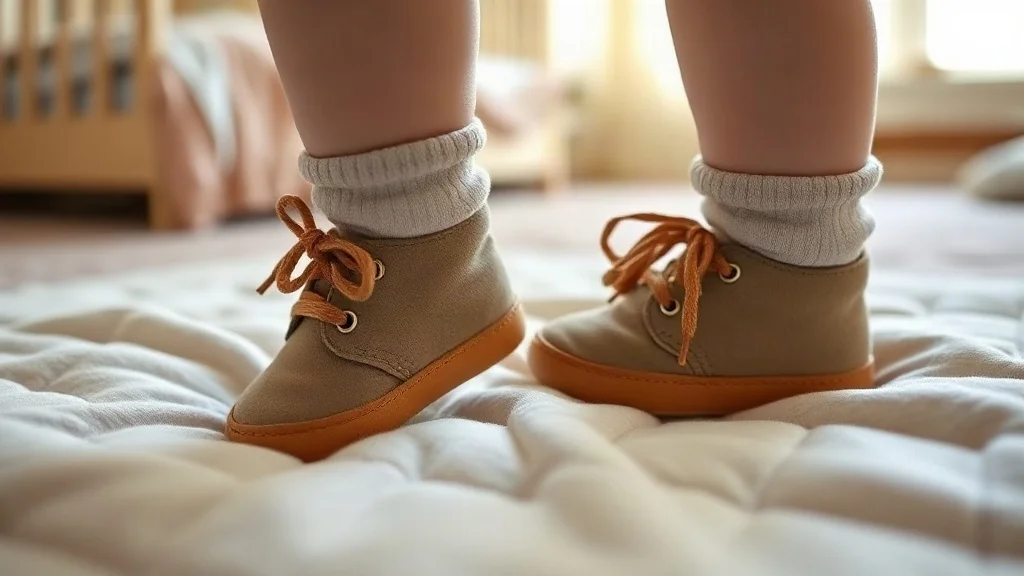
Choosing the first pair of shoes for a child is a delicate balance between protecting fragile skin and allowing the natural biomechanics of a developing foot to flourish. For parents seeking an alternative to the plastic-heavy, sweat-inducing synthetic sandals found in big-box stores, the traditional Mexican huarache offers a compelling fusion of ancestral wisdom and physiological practicality. Crafted from organic materials and designed for the heat of the tropics, these sandals are more than just cultural icons; they are engineered for breathability and flexibility. However, when it comes to the specific needs of infants and toddlers, understanding the intersection of leather tanning processes and pediatric foot development is paramount. When selecting your ideal pair, styles like the E-FAK Baby Girl Sandals: Comfort & Style for First Steps exemplify how traditional vaqueta weaving distributes pressure evenly across the instep.
Quick Verdict: Authentic handmade baby huarache sandals mexican style are exceptionally safe and beneficial when crafted from vegetable-tanned vaqueta leather, as they offer unmatched breathability and a natural mold to the child's foot. Unlike synthetic alternatives, these organic materials prevent moisture buildup and overheating, providing a durable yet flexible foundation for early steps. For maximum safety, parents should prioritize soft-sole variations for pre-walkers and flexible vegetable-tanned leather for toddlers to ensure healthy musculoskeletal development.
The Science of Baby Foot Development and Footwear
To understand why baby huarache sandals mexican style are a viable option, one must first understand the anatomy of an infant's foot. Until approximately age three, a child's foot is composed largely of cartilage rather than hardened bone. This flexibility is essential for the development of the arch and the stabilization of the ankle.
The Danger of Rigid Synthetic Soles
Many modern baby shoes are constructed from ethylene-vinyl acetate (EVA) or rigid plastics. While lightweight, these materials often lack the "torsional flex" required for a baby to feel the ground. This sensory feedback is critical for proprioception—the body's ability to perceive its own position in space. When a baby wears a shoe that is too rigid, they lose the tactile stimulation necessary to develop balance and coordination.
The Role of Breathability in Infant Skin Health
Infant skin is significantly thinner and more permeable than adult skin. In high-temperature environments, synthetic materials trap heat and moisture, creating a breeding ground for fungal infections and contact dermatitis. This is where the open-weave architecture of the huarache becomes a medical advantage. The interwoven leather strips allow for constant airflow, regulating the temperature of the foot and keeping the skin dry.
The Artisan's Secret: Vaqueta Leather and Vegetable Tanning
Not all leather is created equal. For safe infant leather footwear, the tanning process is the most critical factor. Most mass-produced leather shoes use chrome-tanning, which involves heavy metals like chromium sulfate that can irritate sensitive skin. For long summer walks, handcrafted options such as the Rainbow Sandals Grombow's: Kids' Summer Essential Review provide the perfect balance of arch flexibility and natural airflow.
What is Vegetable-Tanned Vaqueta?
Authentic huaraches from the heart of Michoacán and Jalisco utilize vaqueta—a high-quality, full-grain cowhide that is vegetable-tanned. This process uses natural tannins derived from tree bark and plant extracts. The result is a leather that is:
- Hypoallergenic and free from harsh chemical residues.
- Naturally porous, allowing the skin to breathe.
- Capable of molding to the specific contours of a child's foot over time.
- Biodegradable and environmentally sustainable.
The Break-In Science: Custom Molding
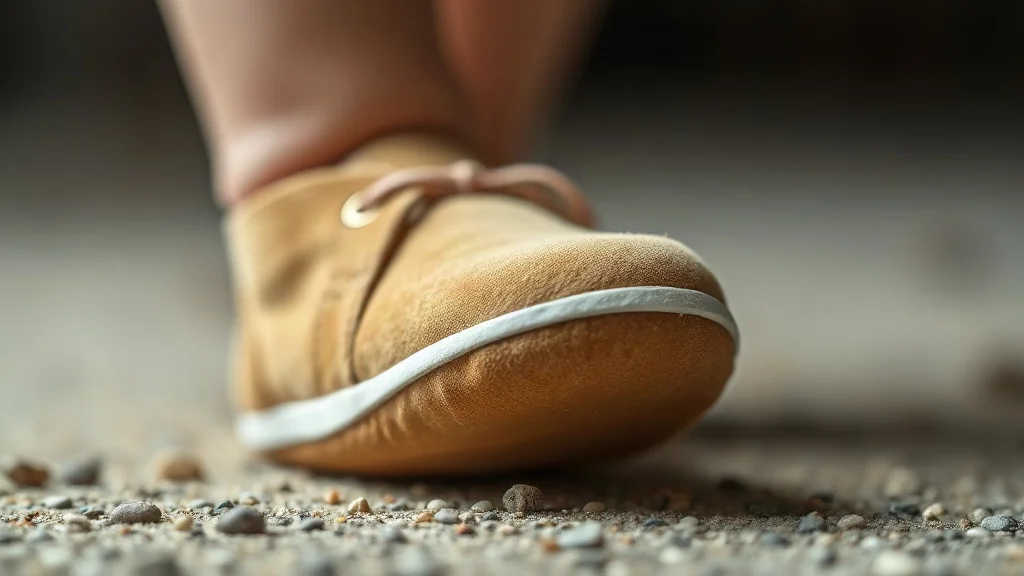
One of the most remarkable characteristics of vaqueta leather is its ability to stretch. In the world of master artisans, it is understood that a high-quality huarache will stretch approximately 0.5 to 1 full size after a few days of wear. For a growing baby, this means the shoe evolves with them. While adults may use the "damp sock method" to accelerate the break-in process, for babies, the natural warmth and moisture of their feet gradually soften the leather, creating a bespoke fit that reduces friction and prevents blisters.

Jastore Baby Sandals: Summer Essential for Little Feet
Artisan Rating: ★★★★★ (4.1/5.0) | Material: 100% Genuine Vaqueta Leather
Handcrafted by master Mexican artisans using traditional vegetable-tanned leather weaving and durable soles for superior breathability and custom-molded comfort.

WILLFUN Baby Sandals Review: Perfect First Walker Shoes
Artisan Rating: ★★★★★ (4.3/5.0) | Material: 100% Genuine Vaqueta Leather
Handcrafted by master Mexican artisans using traditional vegetable-tanned leather weaving and durable soles for superior breathability and custom-molded comfort.
Regional Craftsmanship: From Sahuayo to Oaxaca
The authenticity of baby huaraches is rooted in specific Mexican geographies. When searching for the best for your child, knowing the origin ensures you are getting genuine artisan work rather than a factory imitation. In particular, artisan models like the RVROVIC Baby Sandals: Summer Comfort & Style for Little Feet highlight the durability of hand-cut leather straps anchored to resilient outsoles.
Sahuayo, Michoacán: The World Capital of Huaraches
Sahuayo is renowned for its precision in the horma (wooden last) process. Artisans here carve lasts that mimic the natural slope of the foot, ensuring that the baby's heel is supported without being constricted. The leather is hand-cut and stitched using heavy-duty waxed thread that does not irritate the skin.
Tlaquepaque and Oaxaca: The Art of the Weave
While Sahuayo focuses on structure, the artisans of Tlaquepaque and Oaxaca are masters of the weave. These patterns are not merely decorative; they dictate the flexibility and airflow of the sandal.
- Petatillo: A tight, basket-like weave that provides more structural support for toddlers who are more active.
- Pachuco: A classic style with wider openings, maximizing breathability for extreme heat.
- Trenzado: A braided approach that offers a balance of durability and flexibility.
- Araña: An intricate, spider-web style weave that allows the foot to expand naturally.
- Cruzado: A crisscross pattern that secures the foot firmly while remaining soft.
Soft Sole vs. Hard Sole: Which is Right for Your Baby?
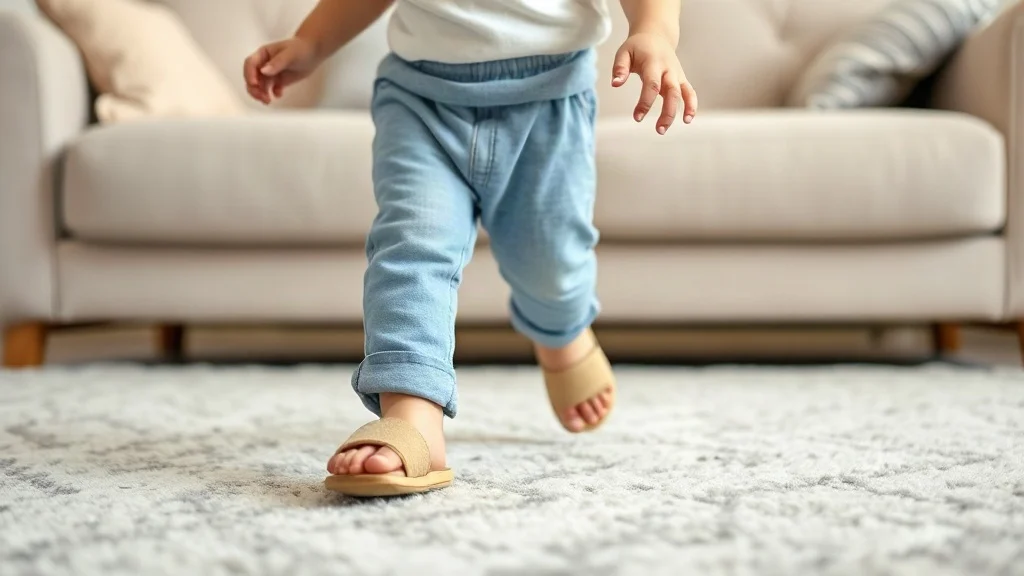
The debate between soft sole vs hard sole baby sandals depends entirely on the developmental stage of the child. A "one size fits all" approach can hinder a child's natural gait.
Pre-Walkers and Early Cruisers (Soft Soles)
For infants who are not yet walking independently, a soft sole is mandatory. The goal is to mimic barefoot walking. Authentic artisan huaraches for this age group often feature a thin, flexible leather sole or a soft suede base. This allows the toes to splay naturally, which is essential for developing the arch. If you prioritize effortless daily comfort, exploring verified designs like the Baby Huarache Sandals: Comfort, Style & Culture for Summer offers insight into how genuine leather relaxes and conforms over time.
Toddlers and Confident Walkers (Flexible Hard Soles)
Once a child is walking outdoors, they require protection from sharp objects and hot pavement. Traditional Mexican huaraches often utilize suela de llanta (recycled tire-tread soles). While this sounds industrial, recycled tire rubber is incredibly durable and provides superior grip, preventing slips. Crucially, these soles are thinner and more flexible than the chunky rubber used in sneakers, maintaining the foot's natural range of motion.
Comparison Guide: Huarache Materials and Use Cases
| Feature | Vegetable-Tanned Vaqueta | Synthetic/Plastic Leather | Chrome-Tanned Leather |
|---|---|---|---|
| Breathability | Excellent (Porous) | Poor (Traps Heat) | Moderate |
| Skin Safety | Hypoallergenic | Risk of Irritation | Possible Chemical Sensitivity |
| Flexibility | Molds to Foot | Rigid/Static | Moderate |
| Durability | High (Increases with Age) | Low (Cracks/Peels) | High |
| Environmental Impact | Biodegradable | Non-Biodegradable | Chemical Heavy |
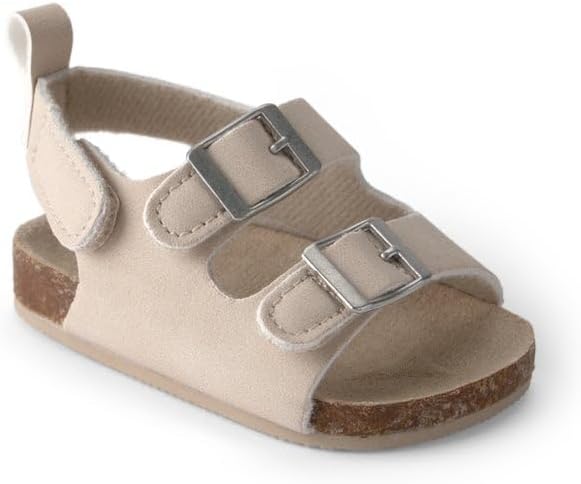
Carter's Baby Sandals Review: Summer Essential Footwear
Artisan Rating: ★★★★★ (4.5/5.0) | Material: 100% Genuine Vaqueta Leather
Handcrafted by master Mexican artisans using traditional vegetable-tanned leather weaving and durable soles for superior breathability and custom-molded comfort.
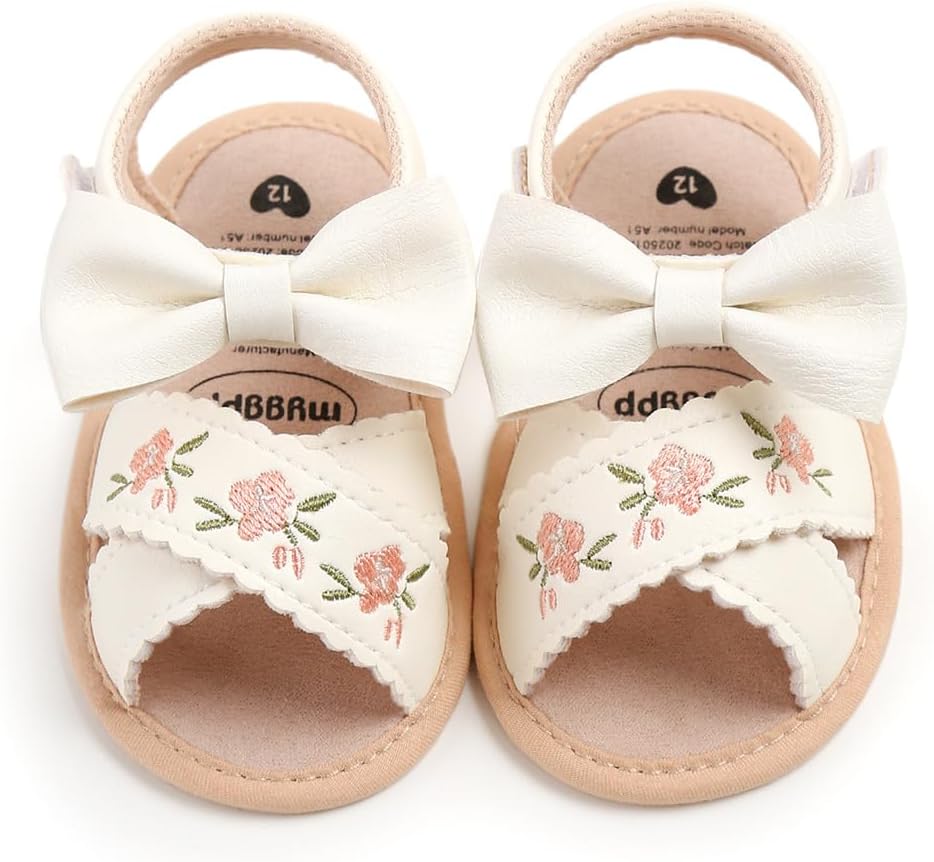
Ohwawadi Baby Sandals: Soft Sole, Stylish & Comfy
Artisan Rating: ★★★★★ (4.2/5.0) | Material: 100% Genuine Vaqueta Leather
Handcrafted by master Mexican artisans using traditional vegetable-tanned leather weaving and durable soles for superior breathability and custom-molded comfort.
Sizing Your Baby's Huaraches: The Centimeter Method
Sizing baby shoes is notoriously difficult because US, EU, and Mexican sizes vary wildly. To ensure a safe fit for baby huarache sandals mexican, artisans recommend the centimeter (cm) measurement method. Traditional artisans recommend pairs such as the ARIAT Lil' Stompers: Best Infant Western Boots Review for wearers seeking heritage craftsmanship and authentic Mexican leather texture.
Because vaqueta leather stretches, the initial fit should be "snug but not tight." There should be approximately 0.5cm to 1cm of space at the toe to allow for growth and natural foot expansion during walking. If the sandal is too loose initially, the foot will slide, causing friction and potential blisters despite the softness of the leather.
Step-by-Step Sizing Guide:
- Place the baby's foot on a piece of paper.
- Mark the tip of the longest toe and the back of the heel.
- Measure the distance in centimeters.
- Add 0.5cm for a perfect artisan fit, knowing the leather will stretch to accommodate the width.
Maintenance and Care for Baby Leather Footwear
To maintain the safety and longevity of vegetable-tanned leather, avoid harsh chemical cleaners. Because these sandals are often worn in sandy or dusty environments, simple maintenance is key.
- Cleaning: Use a damp cloth with a drop of mild, organic soap. Never submerge huaraches in water, as this can stiffen the vaqueta leather.
- Conditioning: Every few months, apply a small amount of natural mink oil or beeswax to keep the leather supple and water-resistant.
- Drying: If the sandals get wet, air dry them away from direct sunlight or heaters, which can cause the leather to crack.
Are leather huaraches too heavy for babies?
Not when crafted traditionally. Authentic baby huaraches use thinner cuts of vaqueta leather and lightweight soles. Because they lack the heavy foam and plastic reinforcements of modern sneakers, they are often lighter and more streamlined, reducing the effort required for a toddler to lift their feet.
Will the recycled tire soles be too hard for a baby's foot?
Recycled tire soles (suela de llanta) are chosen specifically for their balance of durability and flexibility. Unlike the rigid soles of dress shoes, tire-tread rubber is designed to flex. For babies who are just starting to walk, we recommend the soft-leather sole version, transitioning to the rubber sole once they are walking outdoors regularly. Readers looking for versatile warm-weather footwear frequently choose the Baby Girl Foot Flower Shoes: Summer Essential & Comfort for its breathable weave and timeless aesthetic.
How do I know if the huaraches are actually vegetable-tanned?
Vegetable-tanned leather has a distinct, earthy, organic scent and a matte finish that develops a patina over time. Synthetic "leather" smells like chemicals or plastic and has a uniform, glossy sheen. Additionally, genuine vaqueta will feel slightly stiff at first but will soften rapidly with body heat—a characteristic synthetic materials cannot replicate.
Can baby huaraches be worn without socks?
Yes, they are specifically designed to be worn barefoot. The open-weave patterns (like Petatillo or Araña) ensure that air circulates around the entire foot, preventing the sweating and rubbing that usually occurs when wearing closed shoes without socks. This is one of the primary reasons they are ideal for summer wear.
Experience True Mexican Artisan Footwear
Step into hundreds of years of cultural heritage, breathable comfort, and custom-molded leather luxury with authentic handmade huarache sandals.